Netflix Builds Shared Viewing Habits but Leaves Community to the Internet

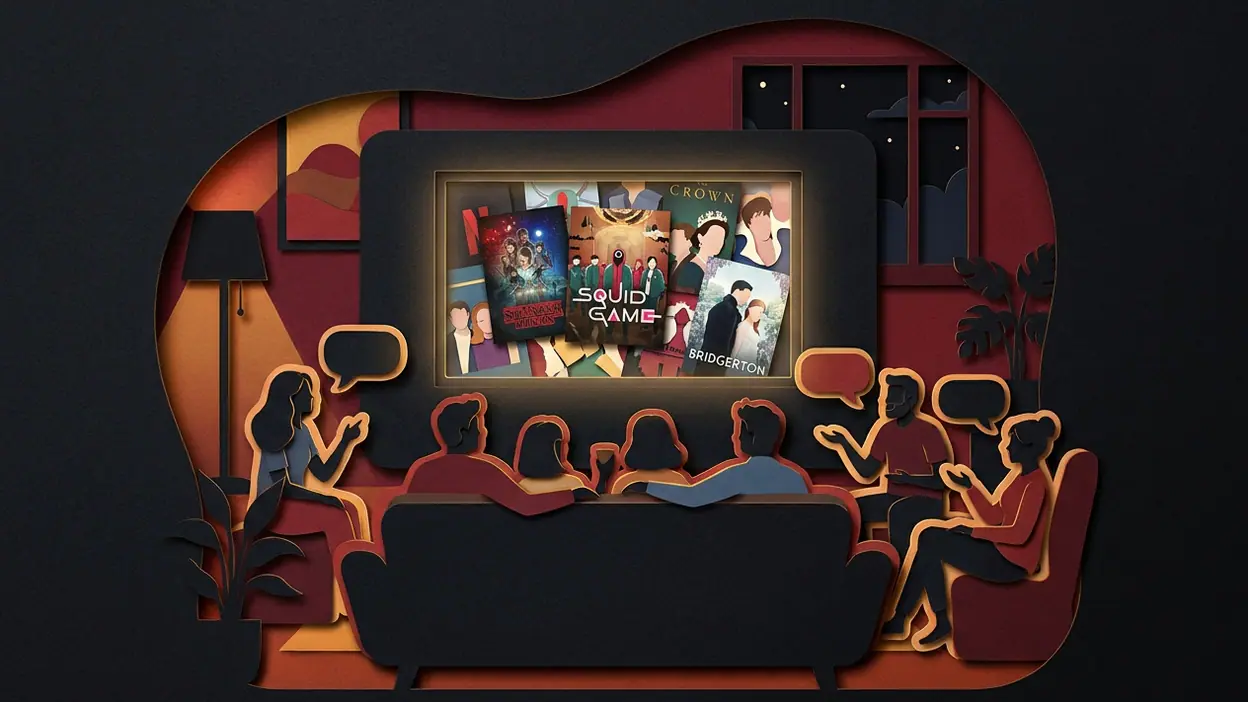
Netflix can make a show feel like everyone is watching at once, even when the app itself is mostly a private viewing room. That tension defines its community: the service gives people a common catalogue and a steady stream of conversation starters, but leaves much of the actual social life to group chats, fan spaces and the wider internet. In my view, Netflix’s network value is powerful but borrowed. It can gather attention around a story; it rarely gives viewers a durable place to gather around one another.
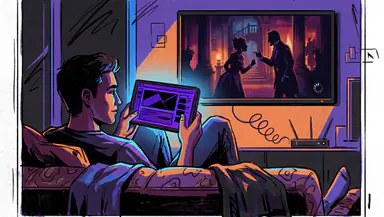
That distinction matters because the mobile app is built for choosing and watching, not for meeting other viewers. Its recommendations, profiles, downloads and playback controls make solo viewing easy to fit into a day. The social layer appears around those functions rather than inside them. A new season drops, a finale lands, or a surprise hit catches on, and people carry the experience out of the app to discuss it. The community is real, but the app is not its clubhouse.

See More Apps Related to Netflix


A common catalogue, a dispersed community
The participation model starts with access. Subscribers can pick from a shared catalogue, build personal lists, create profiles and watch on supported devices. Those choices produce a light form of participation: deciding what to watch, keeping a queue, and recommending a title to someone else. Profiles also help separate household tastes, though they do not automatically create a shared viewing identity. Netflix is designed to serve each person’s next choice, not to show a public record of what everyone in a circle is watching.
That makes the community unusually broad and unusually loose. Viewers can connect through a show without sharing a platform, a time zone or even a subscription plan. A friend’s message about a twist may be enough to start a conversation; an online discussion can bring together people who have never met. But Netflix’s core features offer limited tools for that connection. The app does not function as a general-purpose social network, and its profiles should not be mistaken for public fan accounts.
There is a useful contrast with a game whose players cooperate or compete in the same persistent space. Netflix viewers may share a title, but they do not necessarily share a session, objective or common outcome. The experience is more like reading the same book at different speeds. That keeps participation accessible, while making collective momentum dependent on what viewers do elsewhere.
How newcomers find a way in
For a newcomer, entry is simple: open the app, browse recommendations, search for a title, or follow a suggestion from someone they trust. There is no need to learn a guild system, earn a rank or introduce oneself to a community. Netflix’s interface removes those social hurdles, and its familiar rows of artwork make exploration feel low-pressure. The trade-off is that discovery can remain personal. A newcomer may find a hit without finding the people who want to talk about it.
Word of mouth often supplies the missing map. A colleague’s recommendation, a clip shared online, or a friend’s warning to avoid spoilers can direct a viewer more decisively than a crowded home screen. Netflix can surface titles through its own recommendations, but it cannot guarantee that a viewer will meet a welcoming fan group or a thoughtful discussion. That step belongs to external communities, where norms and quality vary.
Worth Reading Next
Google Maps Go Review: Quick to Orient, Harder to Recover
F-Secure Mobile Security Makes Everyday Phone Protection Practical
More From Our News Desk
View All

The service’s global reach adds another entry route: a title can travel across borders and become a shared reference point. Yet availability, release timing, language options and local tastes affect who can join a conversation and when. Even a popular show is not experienced identically everywhere. The catalogue creates common ground, but it does not erase those differences.
Release nights, theories and the work fans do
Netflix’s recurring rituals are mostly informal. Viewers save episodes for the weekend, binge a season quickly to avoid spoilers, or wait until friends have caught up before discussing a finale. Some groups schedule a watch night; others trade reactions one message at a time. These habits give a release a pulse beyond the play button. The ritual is not imposed by an in-app event calendar. It is built by people coordinating around a title.
That pattern can make a binge release feel thrilling and isolating at once. A viewer who finishes quickly may join the first wave of theories and jokes, while someone watching slowly risks seeing spoilers or missing the moment when conversation is most active. Staggered attention keeps a show in circulation for longer, but it can also make social participation feel like a race. Netflix’s release choices shape that rhythm, even though the company does not control every conversation that follows.
Fans do much of the interpretive work. They make recaps, explain references, debate character choices, create art, cut clips and build theories from details that a casual viewer might miss. Those contributions help a story keep its life between episodes or after a season ends. They also lower the barrier for people who want to join a discussion but need a refresher. This is meaningful cultural labor, although it is not the same as a formal creator programme, nor should fan activity be treated as something Netflix can direct at will.
The company can amplify titles through trailers, behind-the-scenes material and official social accounts, but the most enduring fan work often lives on services outside Netflix. That separation has advantages: communities can develop their own voices and criticisms. It also means the platform has less direct responsibility for the quality of discussions it helps inspire, and less ability to make those discussions easy to find from inside the app.
Friction, spoilers and safety limits
The biggest social friction is often a timing problem. People watch at different speeds, and a single careless post can spoil a reveal for someone who is still catching up. Fan spaces may use spoiler labels, episode-specific threads or viewing rules, but those practices depend on local moderators and user cooperation. Netflix’s viewing experience can reduce some household confusion through separate profiles, yet that is not the same as a system for coordinating spoiler-safe public discussion.
There is also a quieter form of friction: the pressure to keep up. When a title dominates conversation, viewers can feel that watching is a prerequisite for belonging. Others may simply dislike the show, object to its ending, or tire of hearing about it. A recommendation algorithm can help someone find the next thing to watch, but it cannot settle whether a fan community is hospitable to dissent. Popularity creates attention; it does not guarantee generosity.
On moderation and safety, it is important to separate what can be seen from what cannot be verified here. Netflix’s mobile app is primarily a streaming interface, and I did not find an in-app public discussion space comparable to an open forum. That limits some direct exposure to user-generated abuse within the viewing flow. It does not mean every community around a Netflix title is safe. External groups set their own rules, moderation standards and reporting processes, and those can differ sharply. Viewers should check the policies of the particular space they join rather than assume Netflix’s account or parental controls govern it.
Household controls can matter for who watches what, especially when profiles are shared, but they do not solve every social concern. They cannot prevent a spoiler in a group chat or moderate a fan server. Nor is it useful to claim that the absence of an in-app forum proves a complete safety strategy. It simply places much of the community’s safety work outside the product, where Netflix has limited visibility and users have to assess the local rules for themselves.
Where the network value appears
Netflix’s network value shows up most clearly when a title becomes a shared reference. Viewers recommend it, quote it, make it into a meme, argue about what it meant, or use it as a reason to meet. Those interactions can bring a dormant catalogue back into view and help a newcomer decide what is worth their time. The value is not merely that many people watch; it is that one person’s attention can prompt another person to watch, discuss or create.
But that value does not belong entirely to the app. Fan communities, critics, creators and social platforms contribute the discussion infrastructure. Netflix supplies much of the common material, while others supply the gathering places and the language of participation. That division explains both the service’s cultural reach and its limitations. It can benefit from a conversation without owning the spaces where the conversation happens.
Rivals sharpen this point. A platform centred on user-made videos may make it easier to respond publicly, while a multiplayer game gives participants shared actions as well as shared references. Netflix’s strength is different: a polished route into professionally produced stories, with little obligation to perform socially. For viewers who want entertainment without an account full of posts and notifications, that restraint is welcome. For those looking for an enduring community, it leaves a gap.
Can this ecosystem last?
The ecosystem can last as long as Netflix continues to release stories that people want to discuss and as long as fans have places to discuss them. That is a more fragile arrangement than an in-app community with persistent groups and explicit member tools. Interest can shift quickly; a title can dominate for a month and then fade. Fan spaces may outlive the release, but their energy depends on volunteers, creators and community members whose work Netflix does not fully control.
The advantage is adaptability. Communities can move between platforms, form around a single character or genre, and invent rituals that the app never anticipated. The weakness is fragmentation. A newcomer may have to hunt through search results, social feeds and invite links to find a useful, well-moderated group. Netflix makes the content easy to access; it does not make every layer of participation equally easy to discover.
My verdict is that Netflix has a large, culturally influential ecosystem, but not a fully social product. The mobile app excels at giving people a personal way into stories that can become collective events. Its community is strongest in the recommendations, fan creativity and shared rituals that happen around a release, and weakest when viewers expect the app itself to host, organize or moderate those relationships. That boundary is not a flaw for everyone. It is simply the honest shape of the service: a powerful source of common stories, and a surprisingly limited home for the people who gather around them.