HBO Max Under Stress: A Cautious Verdict on Streaming Reliability

Streaming apps earn their reputation on the nights when everything works. The more revealing test comes when a sign-in stalls, a connection dips, or a viewer returns to a half-finished episode and cannot tell what the app remembers. HBO Max: Stream TV & Movies is built around an unusually tempting promise: a large, recognizable library that should make settling in feel effortless. Its resilience is harder to judge than its catalog, though, because recovery depends partly on the device, account, region, and subscription setup. My verdict is therefore deliberately split: Max is a compelling place to watch, but its reliability is most convincing in ordinary use, while several failure cases deserve caution rather than confident claims.
The reliability promise
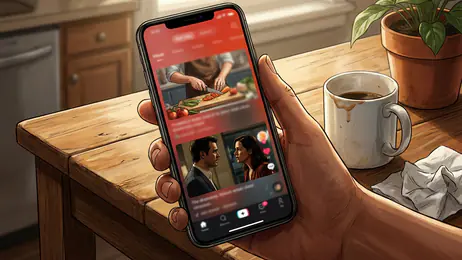
The app’s core job is simple to describe and surprisingly demanding to deliver. It needs to help people find something, start playback, preserve progress, and make it easy to resume later. Max’s appeal is that the destination feels substantial: series, films, documentaries, and other programming sit under one recognizable service, so a viewer is not merely opening a player but choosing from a household library.

HBO Max: Stream TV & Movies
WarnerMedia Global Digital Services, LLC4.8Entertainment
See More Apps Related to HBO Max: Stream TV & Movies


That breadth also raises expectations. A service with familiar, high-profile shows is often opened on a deadline: dinner is ready, a family has agreed on a film, or someone has ten minutes to continue an episode before bed. A spinner or unclear account state matters more in that moment than a minor design flaw in a rarely used menu. Reliability here means more than staying online; it means making the next useful action obvious when the ideal path breaks.
The app’s promise is strongest when a user already knows what they want and has a working account. Browsing and playback are the center of gravity, and Max is designed to bring the viewer back to content rather than make them manage a complicated workflow. But a review focused on failure must distinguish that familiar use from the cases where access, progress, and connection all become uncertain.
First setup failure points
Setup begins before the first episode. A viewer may need to install the app, sign in, confirm that a subscription is active, and establish which provider or account controls access. The exact route can vary, especially if a subscription was purchased through a third party or bundled with another service. That variation is not a defect unique to Max, but it makes setup a likely place for confusion: a successful sign-in does not always tell a user whether the right plan is attached.
There is a difference between an incorrect password and an account that authenticates but lacks the expected entitlement. The first has a straightforward remedy; the second can send a viewer between the app, a billing provider, and account settings. I would not assume that every such case is resolved from within the mobile app. If access fails after a subscription change, checking the account source and plan status is a more sensible first step than repeatedly reinstalling.
Permissions and device-level settings can also affect the experience. A user who declines notifications may simply miss alerts; a user with restrictions, an outdated operating system, or limited storage may encounter more consequential problems. Those are general setup risks, not verified Max-specific failures. The useful editorial point is that the app cannot make a messy account or device state disappear, and users should avoid treating every playback problem as a password problem.
Worth Reading Next

Asphalt 8 Turns Speed into a Daily Mobile Ritual

Amazon Kindle: Reading App - Where Books and Notes Go
More From Our News Desk
View All

Mistakes and reversibility
Most mistakes during streaming are small: opening the wrong episode, choosing an unwanted profile, or starting a title before checking whether it is the right one. These are low-stakes if the viewer can back out and try again. Max’s content-first design makes correction feel conceptually simple: stop browsing one item and choose another. That is not the same as proving that every mistaken action has a clean undo button, and I would not promise a universal reversal path for settings or account changes.
Playback progress is more sensitive. If someone accidentally starts an episode, the app may have a new point to remember; if a child or another household member uses the same profile, that can muddy what “continue watching” means. Separate profiles can help keep viewing histories distinct, but they only help when people select the right one. Profile choice is a practical safeguard, not a guarantee that a shared device will always preserve everyone’s place perfectly.
The best habit is modest: check the profile before pressing play, and use the title or episode details to confirm the selection before settling in. That advice sounds fussy until a household’s recommendations and progress begin reflecting several people at once. A streaming service should absorb ordinary mistakes, but shared viewing still asks users to pay attention at the boundary between profiles.
Interruption and return
Phones make interruption unavoidable. A call arrives, the screen locks, someone switches to another app, or the viewer puts the device down and comes back much later. The basic expectation is that playback stops or pauses sensibly and that the title remains easy to resume. Max’s central viewing model is designed around continued watching, but exact behavior can differ by device and by how playback ended.
That difference matters. Returning after an intentional pause is not quite the same as returning after an app crash, an operating-system interruption, or a device restart. In the first case, the player may still be holding a straightforward session; in the others, the app may need to restore a connection and reconcile saved progress. I can describe the expected use, but I would not claim that every interruption reliably resumes at the precise second across all phones and circumstances.
For a viewer, the practical test is not whether the app remembers every detail forever. It is whether the title is easy to find again and whether its progress is legible enough to continue without guesswork. If the displayed position seems wrong, backing out and reopening the episode is a reasonable first recovery attempt. Avoiding frantic repeated taps is useful too: queued actions can make it harder to tell whether playback has resumed or whether the app is still responding.
Connectivity pressure
Weak Wi-Fi exposes the difference between a service with a large catalog and a player that can cope with a bad moment. A stream may buffer, reduce quality, or fail to start, depending on the connection and device. Those are normal possibilities for video streaming; they are not evidence that Max alone is at fault. The first diagnosis should be plain: check whether other network-dependent apps are also struggling, then try a more stable connection if one is available.
Mobile data brings a second trade-off. Watching away from home can be convenient, but video consumes data, and a viewer may not want a long episode running over a limited plan. Download features, where available for the account, title, and device, can reduce dependence on a live connection, but availability and restrictions should be checked inside the app rather than assumed. A download is most useful when prepared before travel, not discovered as a rescue option after the signal vanishes.
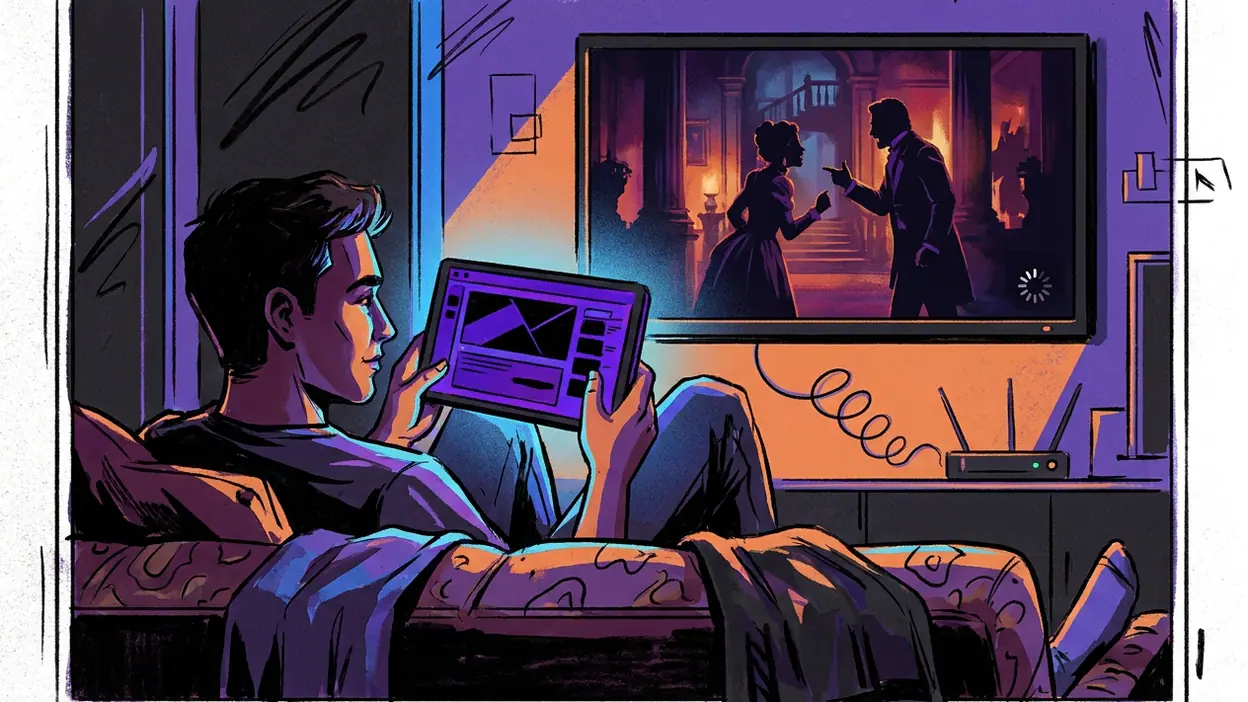
There is also a confidence problem: buffering can look like a frozen app, while a failed connection can look like an account problem. Max cannot remove that ambiguity simply by having recognizable branding. A clear on-screen explanation would help users choose between waiting, retrying, changing networks, and checking access. Without a verified, universal account of its behavior under every network condition, the safest judgment is that connection quality remains a meaningful limit rather than a problem the app can always solve.
Unclear states
The most frustrating failures are often not dramatic crashes but states that offer too little information. Is the show still loading, has the account lost authorization, is the network offline, or did a tap fail to register? A spinner gives one clue, but not necessarily the answer. When a person cannot tell whether to wait or act, uncertainty itself becomes part of the user experience.
This is where Max’s polished entertainment identity has a higher bar to clear. The viewer is not looking for technical detail; they need a useful next step. A message that distinguishes an internet problem from an access problem can prevent wasted password resets. A visible retry action can make a failed start feel recoverable. I do not have grounds to claim that every error is diagnosed with that level of precision, so this remains an area where restraint matters more than praise.
Likewise, a title that disappears from a row or a progress marker that looks unexpected does not automatically mean the underlying data is gone. The app may be showing a different profile, a changed catalog, or a temporary loading state. Treating an uncertain display as permanent loss can lead to unnecessary account changes. Check the title directly and confirm the active profile before concluding that viewing history has vanished.
Recovery guidance
When something goes wrong, a short sequence is more useful than a list of drastic fixes. First, identify whether the problem affects one title or the whole app. Then check the connection and confirm the active profile and account. If playback remains stuck, close and reopen the app, and retry once. If the issue concerns access after a billing change, verify the subscription with the account or provider that manages it.
Reinstalling should not be the first reflex. It can remove local state or downloads and may not address a subscription entitlement, weak Wi-Fi, or an account mismatch. Similarly, repeatedly signing out can add a new obstacle if the viewer does not know the correct login details. A measured sequence protects the user from turning a temporary playback hiccup into a full setup problem.
For planned travel or unreliable service, prepare ahead: confirm that the desired title can be downloaded, allow time for it to finish, and check that it appears ready before leaving a stable connection. This is practical guidance, not a guarantee that every title or plan supports offline viewing. The key is to verify the specific item rather than rely on a feature’s general reputation.
Where evidence is missing
A careful resilience review has to say what it cannot establish. App behavior changes across iOS and Android versions, device models, account types, regions, and subscription arrangements. A single successful playback session does not prove seamless recovery from a crash; one weak-signal test does not establish how the service behaves under every network. Claims about exact error wording, automatic retries, precise progress restoration, or universal offline access would go beyond the evidence available here.
That caution is not a loophole for ignoring problems. It tells readers where to look before relying on the service: their own device, their account route, their network, and the particular title they plan to watch. Max is easier to recommend for ordinary, connected viewing than as a guaranteed solution for a long flight, a fragile mobile connection, or a complicated account handoff.
Who needs more certainty
For a household with stable broadband, familiar sign-in details, and one or two regular profiles, Max’s occasional uncertainty may be a tolerable price for a library people genuinely want to watch. The app’s value is concrete: it reduces the distance between a viewer and a substantial range of entertainment. Its strongest case is not abstract technical perfection but the everyday usefulness of having an episode or film ready to play.
People who need dependable offline viewing, manage several subscriptions, share devices across a large household, or watch over unreliable mobile networks should be more cautious. They should confirm plan access and download availability in advance, and test the app on the device they expect to use. That is especially true if a missed resume point or a failed sign-in would disrupt a tightly planned trip or viewing routine.
Compared with utility apps such as Microsoft Teams, where a connection failure can interrupt work, Max’s failures are usually about lost time and disrupted leisure rather than a missed meeting. That makes the consequences lower, not irrelevant. A family movie night can still be derailed by the same vague loading state that a solo viewer would shrug off.
Resilience verdict
HBO Max: Stream TV & Movies earns its place as an entertainment app through the pull of its library and the directness of its viewing purpose. Under pressure, its weakest point is not a proven pattern of collapse; it is the uncertainty that surrounds account access, interrupted playback, and poor connectivity when the app does not make the cause obvious. The sensible response is to treat downloads, profile selection, and subscription checks as preparation, not emergency guarantees.
For routine streaming on a reliable connection, I would choose Max without much hesitation if its catalog fits the household. For a trip, a shared-device setup, or a subscription arrangement that has already been confusing, I would verify the essentials before counting on it. That is the fairest resilience verdict: a worthwhile service for ordinary viewing, but not one whose recovery behavior should be assumed flawless just because the happy path looks easy.