ReciScan Gives Scattered Recipes a Practical Home

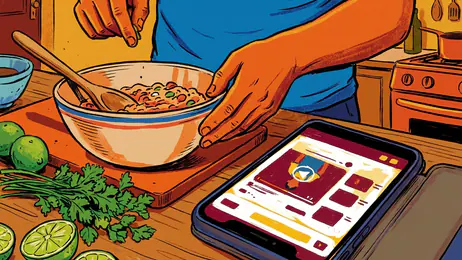
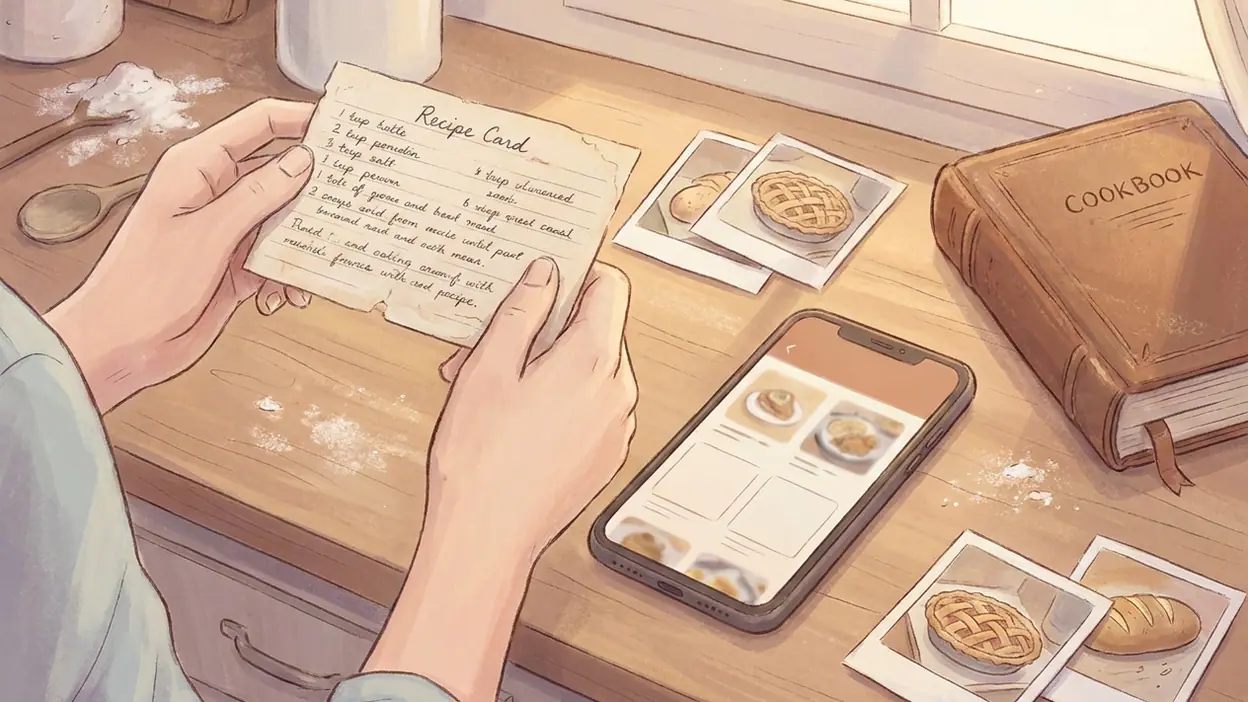
The modern recipe collection is rarely a book. It is a screenshot buried in Photos, a link sent by a friend, a handwritten card beside the stove, and a video you meant to save before the feed moved on. ReciScan - Cookbook Maker speaks to that messy reality: it aims to turn scattered recipes into a personal cookbook, making the act of keeping food ideas feel useful again rather than archival.
That timing matters. People are cooking from more kinds of sources than ever, but the tools for saving recipes have not kept pace with the way those sources arrive. A recipe app built around scanning and organizing can help bridge the gap between inspiration and dinner. ReciScan’s appeal is not that it can make anyone a better cook by itself. It is that it gives recipes a place to live after the scroll, the share, or the scribbled note.

ReciScan - Cookbook Maker
Dustin Runnells4.1Food & Drink
See More Apps Related to ReciScan - Cookbook Maker


Why recipe keeping suddenly feels urgent
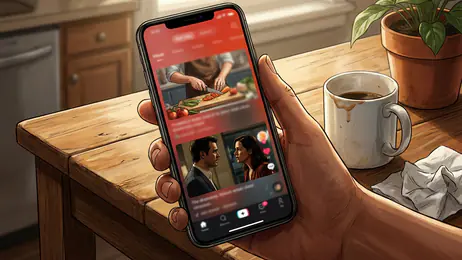
Food planning has become a small act of digital housekeeping. A week’s meals might begin with a creator’s short video, a relative’s text, or a search result opened while waiting for the train. By the time it is time to cook, the original context is gone. The user remembers the dish but not the account, the proportions, or where the instructions were saved.
This is the behavior shift behind ReciScan’s relevance: recipes are no longer collected in one place. They are discovered wherever people happen to be looking. A browser bookmark can preserve a page, but it does not necessarily bring together a photo of a recipe card and a link from a group chat. Screenshots are fast, but they turn a collection into a pile that is difficult to search or browse with purpose.
The result is a familiar contradiction. We have more cooking inspiration within reach, yet it can be harder to retrieve the one dish we already know we want to make. A dedicated cookbook tool addresses the less glamorous half of the process: not finding another recipe, but keeping the good ones accessible.
A camera-first idea for a mixed-up recipe life
The name points to ReciScan’s central promise: capture recipes and make them part of a personal cookbook. That makes the app especially timely for people whose collections still include physical cards, clipped pages, and handwritten notes. A scan gives those sources a route into a digital archive without asking someone to retype every ingredient and instruction from scratch.
That route matters because older recipe systems tend to demand a clean starting point. A printed cookbook is orderly but separate from the recipes arriving by phone. A notes app is flexible but leaves users to invent their own filing system. Saving links in a browser works until a page changes, a site becomes awkward on a small screen, or the collection grows beyond what anyone can remember.
Worth Reading Next

Asphalt 8 Turns Speed into a Daily Mobile Ritual

Amazon Kindle: Reading App - Where Books and Notes Go
More From Our News Desk
View All
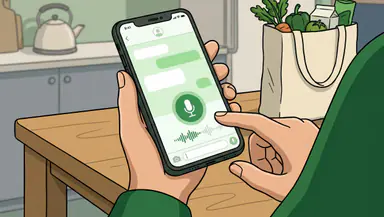

ReciScan’s useful distinction is the attempt to bring the personal and the digital together. A recipe card passed down through a family can sit conceptually beside something discovered yesterday, rather than remaining stranded in a drawer. The app’s value depends on how smoothly its scanning and organizing tools work in practice, but the underlying idea fits the way people actually cook: from inherited habits, quick discoveries, and repeated favorites all mixed together.
The best case for a cookbook maker is not an immaculate archive. It is being able to find the thing you want while your hands are busy. If ReciScan helps turn a saved image or paper recipe into an entry you can return to, it shortens the distance between “I should make that” and putting a pan on the stove. That is a modest task, but one with immediate payoff.
Where it helps right away, and who gets there first
ReciScan is easiest to picture in three everyday situations. Someone can preserve a handwritten family recipe before the paper fades or goes missing. A home cook can gather recipes found across different sources instead of relying on a growing camera roll. And a person planning meals can revisit a chosen set of dishes without repeating the original search each time.
Those gains are practical rather than flashy. A tidy recipe collection can reduce the little decisions that slow down weeknight cooking: which version of the dish did I like, where did I save the ingredients, and can I read the note I took last time? The app will not automatically make a meal plan sensible or guarantee that every scanned instruction is captured correctly. But it can make reliable retrieval easier, which is often the part people neglect.
The quickest adopters are likely to be home cooks with existing recipe clutter, not people starting from an empty kitchen. Parents juggling family favorites, hobby cooks collecting dishes from different cuisines, and anyone trying to preserve a relative’s handwritten instructions have a clear reason to try a scanning-first cookbook. They already have material worth organizing. ReciScan gives that material a more deliberate destination.
There is also a useful distinction between saving recipes and collecting them. Saving is often a reflex: tap, screenshot, move on. Collecting requires a second step, deciding that a recipe is worth keeping and making it findable later. ReciScan can support that transition, though it cannot make the decision for the user. A cookbook filled with every passing impulse can become just another digital junk drawer.
Less friction than the old systems, but not friction-free
Compared with a paper binder, a digital cookbook is easier to carry and potentially easier to expand. Compared with generic notes, a dedicated recipe tool signals that ingredients and cooking instructions deserve their own structure. Compared with a photo library, it can give recipes a clearer identity than a thumbnail and a date. These are small improvements that compound as a collection grows.
Still, the scan is only the beginning. Recognition tools can misread handwriting, blur small print, or confuse a stained page with an ingredient. A scan that needs a lot of correction may not feel faster than careful typing. And a collection is only useful if it stays organized: clear titles, sensible categories, and dependable search can matter more over time than a polished first impression.
This is where a scanning app can feel rough around the edges, even when its premise is right. Users need to know what happens after capture: whether the recipe can be edited, how easily it can be found again, and whether the digital version preserves the details that make the original worth keeping. Those are not minor extras. They decide whether ReciScan becomes a working cookbook or a place where recipes go to disappear more neatly.
There is also the question of habit. People who already rely on a familiar notes app may not want to move an established archive. ReciScan makes the strongest case to users who are building a collection or finally admitting that their screenshots have stopped being manageable. For everyone else, the benefit has to outweigh the hassle of changing how recipes are saved.
What this says about mobile life, and how long it may last
ReciScan reflects a broader change in how utility apps earn their place. The phone is no longer just where a recipe is found; it is where the recipe must survive until someone has time to use it. That shift has created demand for tools that organize fragments gathered elsewhere, whether those fragments are family instructions, social discoveries, or quick photographs.
It also reveals a limit of the endless-feed model. Discovery is effortless, but remembering is not. A person can encounter more cooking ideas in a day than a printed cookbook could offer in a year, yet abundance has little value if the best ideas cannot be recovered. A focused cookbook app makes a quiet argument for keeping a small, personal collection rather than treating every new recipe as another passing clip.
That relevance should last as long as recipes keep arriving through mixed formats. The specific tools may change, and operating systems may make photo search or note-taking more capable. But paper cards will remain, links will keep multiplying, and people will continue to want a dependable place for the meals they mean to make again. ReciScan’s long-term case depends on making the capture-to-cookbook process reliable enough that users keep returning.
For a serious cook with a camera roll full of food ideas or a box of recipes worth preserving, ReciScan - Cookbook Maker is a timely utility with a clear job. Its promise is strongest where scattered recipes need to become a usable personal collection; its weakest point is the familiar risk that scanning and organizing take enough effort to derail the habit. I would recommend trying it if recipe clutter is already costing you time. The real test is simple: after the first batch is saved, can you find dinner faster?