EZ Manga Turns Reading Into a Ritual for the Gaps in Phone Life

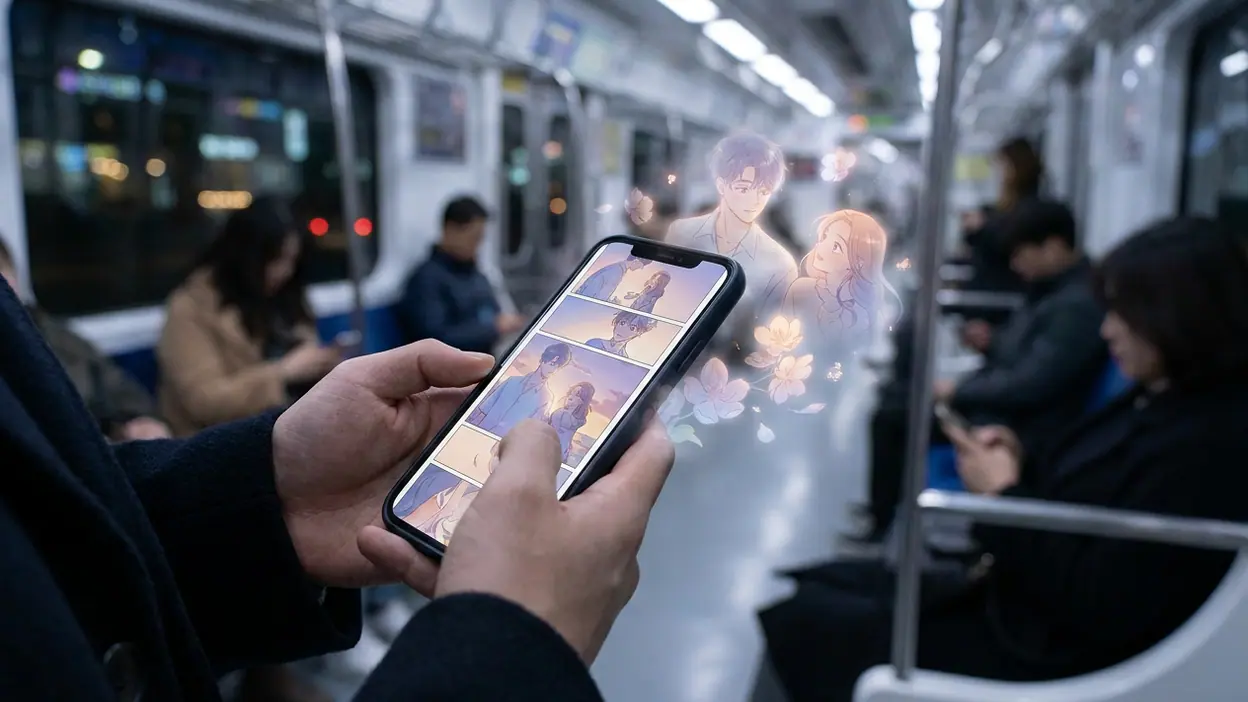
Reading used to ask for a place: a chair, a book, a stretch of unclaimed time. EZ Manga: Webtoon & Manhwa belongs to a different arrangement. It turns comics into something that can happen in the lift, between messages, or in the last few quiet minutes before sleep. That shift is the app’s real cultural story. Its appeal is not simply access to webtoons and manhwa, but the way a phone makes serialized reading feel available whenever a small gap opens.
That convenience changes the shape of attention. A comic no longer needs to compete for an evening; it can occupy the fragments around one. EZ Manga is best understood as a reading habit packaged for mobile life: immediate, private, and easy to resume. That is useful, but it also makes the app a small example of how entertainment now follows us rather than waiting for us to make room.

EZ Manga: Webtoon & Manhwa
EZ Apps Studio3.4Comics
See More Apps Related to EZ Manga: Webtoon & Manhwa


A comic library built for the gaps
The premise is direct: find a series, open it, and read on a phone. The category name promises two closely linked forms, webtoon and manhwa, whose long vertical panels translate naturally to a handset held in one hand. Instead of turning pages, readers move downward through a sequence designed to unfold with a thumb. The format makes the screen feel less like a miniature book and more like a narrow window into an ongoing story.
EZ Manga: Webtoon & Manhwa is therefore less about reinventing comics than fitting them into the way people already use phones. A reader can begin with a few panels and stop without having to set up a reading session. The app’s core usefulness is this low threshold: it makes returning to a story feel simpler than deciding what to watch, and less demanding than sitting down with a print volume.
That ease is also a limit. A phone is a crowded place, full of alerts and competing feeds, so the same device that removes friction can interrupt the mood a comic needs. The vertical format helps a story move, but it cannot guarantee that the reader will give it sustained attention. EZ Manga makes reading convenient; it does not make the phone quiet.
There is a particular kind of promise in a dedicated comics app. General-purpose social feeds mix jokes, news, personal updates, and video in one endless stream. A comics library gives the reader a narrower intention: I came here to follow a story. Even if the app is still part of a larger attention economy, that purpose matters. It makes the phone feel, briefly, like a reading device rather than an all-purpose interruption machine.
The ritual of one more chapter
Serialized comics have always depended on return. A chapter ends, a question remains, and the reader comes back later to see what follows. On a phone, that cycle becomes remarkably portable. A commute can hold an episode; a lunch break can hold a few more panels; bedtime can become the moment when a reader catches up. The app enters life not as a grand event but as a repeated little appointment.
Worth Reading Next

Facebook Is Useful Again for the Small Logistics of Daily Life
Ludo King Keeps Its Simple Appeal as Phone Updates Change the Routine
Google Photos, Used Well: Find, Protect, and Manage Your Photos

Free Fire’s Ninth Anniversary Makes Familiar Matches Matter Again

Ceiling Fan Balancer Makes a Common Fix More Methodical
More From Our News Desk
View All

That pattern explains why people keep a comics app close. Its value grows through familiarity. Readers know where to go when they want a particular kind of feeling: suspense, romance, comedy, or the comfort of continuing a familiar plot. The app becomes a shelf that travels with them, and the story itself provides a reason to return. The sticky part is not the screen; it is the unfinished chapter.
There is a tension here between deliberate reading and habitual checking. Opening a series because a new chapter is ready can feel like choosing a book. Opening the app whenever there is a spare moment can feel more automatic. The distinction is not always clear, and that is precisely what makes mobile reading revealing. A practice that once had a beginning and an end can become an easy default for every pause.
Still, I would not mistake short sessions for shallow engagement. A reader may spend only a few minutes at a time with a series and care deeply about its characters or plot. The app’s rhythm is fragmented, but the emotional thread can remain continuous. That is one of the strengths of serialized storytelling: the story survives the interruptions of everyday life, and the reader carries anticipation from one visit to the next.
Convenience is a status signal too, though a quiet one. Carrying a library in a pocket says less about wealth or taste than about a particular expectation: entertainment should be ready when wanted. The phone has made this expectation ordinary. EZ Manga participates in it by turning a collection of comics into an always-near option, without requiring the reader to plan ahead or carry a separate object.
What the interface says about attention
The design logic behind a mobile comics app is easy to read even without treating every screen detail as a cultural manifesto. A searchable catalog, series pages, and a reading view are familiar tools for browsing and continuing. Their job is to shorten the distance between curiosity and the next panel. That is sensible product design, but it also mirrors a broader expectation that digital services should remove every unnecessary pause.
For comics, some pauses are part of the pleasure. A panel can hold a glance; a scene can build suspense; the gap between updates can make a cliffhanger linger. A good reading experience should help readers move through a story without flattening its pace. EZ Manga’s appeal rests on the convenience of access, while the art and pacing of each series must do the deeper work. The app can deliver the page; it cannot supply the feeling.
What feels revealing, then, is how neatly the format fits a culture of spare moments. We often describe phone use as something that steals time, but it can also give shape to time that might otherwise feel unusable: a wait, a quiet ride, a few minutes alone. Comics give those intervals a narrative thread. The trade-off is that every interval becomes a possible opening for another screen habit, and an easy-to-reach library can blur the line between choosing to read and reflexively filling silence.
That is not a reason to treat the app as a problem. It is a reason to be honest about the bargain. EZ Manga offers quick access to a focused kind of entertainment, but it lives on a device designed to divide attention. Readers who want a more immersive session may prefer to silence notifications, settle somewhere comfortable, and let a chapter take the time it needs. The app makes that choice possible; the reader still has to make it.
Its experience also depends on the practical details of the catalog and reading access. A wide selection is only useful if readers can find the series they want, understand how chapters are arranged, and return without friction. The name promises webtoon and manhwa, but a category label alone cannot guarantee depth, consistency, or a reader’s favorite title. That makes browsing and clear organization more than housekeeping: they are what turn a collection into a dependable habit.
Other mobile apps use the same broad formula of a clear identity, a fast entry point, and a repeated loop. MOTORMIA: Tune & Mod Your Ride invites people to personalize a vehicle; Fashion Queen: Dress Up Game makes styling the activity; Spades Pop - Classic Card Game packages familiar play into short sessions. Their subjects differ, but each makes a particular pastime easy to carry. EZ Manga’s version is quieter: the reward is not a score or a finished look, but the next piece of a continuing story.
That comparison also clarifies what a comics app should not borrow blindly. A racing or dress-up game can make progress visible through upgrades, outfits, or rounds. Reading has its own measure: comprehension, anticipation, and the pleasure of a scene unfolding. If a comics service starts to feel like a task list, the story risks becoming secondary to the machinery around it. The best reason to open EZ Manga should remain the comic waiting inside.
Neon Love Theme offers a different but useful contrast: a phone can express identity through its appearance as well as its content. A comics app expresses identity more privately, through what someone chooses to read and which fictional worlds they revisit. The phone becomes both a personal library and a small, portable reflection of taste. Unlike a visible case or home-screen theme, that identity may remain unseen by everyone else. Its value is in recognition by the reader, not display to a crowd.
A private library for a public device
EZ Manga makes a familiar cultural shift feel concrete: reading is no longer tied to a dedicated object or a reserved block of time. It can sit alongside maps, messages, music, and work on the same screen, ready to be picked up and put down. That arrangement is empowering when it helps a reader keep a story close, and unsettling when every quiet moment seems to invite another tap.
My judgment is that the app’s strongest idea is also its simplest: it gives serialized comics a practical home on the device people already carry. Its value lies in access, portability, and the small ritual of returning to a chapter. Its weakness is not a failure of the format so much as the condition of mobile life: interruptions are always nearby, and convenience can turn into reflex.
EZ Manga is therefore more than a place to browse webtoon and manhwa. It is a pocket-sized reading habit, shaped by the expectation that stories should travel at our pace. That expectation has costs, but it also gives comics a place in ordinary minutes that print could not always reach. Keep it close if those short returns make reading easier; just remember that the most satisfying part is still the story, not the scroll.