Free Fire’s Ninth Anniversary Makes Familiar Matches Matter Again

A birthday event can dress up a lobby without changing the game beneath it. The useful test for Free Fire: 9th Anniversary is whether its celebration makes a familiar drop, scramble, and final-circle fight feel newly worth playing. Its strongest promise is not a single spectacular reward; it is the way anniversary framing can give ordinary matches a shared purpose. That idea works best when the event’s activities pull players back into Free Fire’s quick battle-royale rhythm, and less well when progress feels like another checklist laid over it.
A celebration built around the match loop
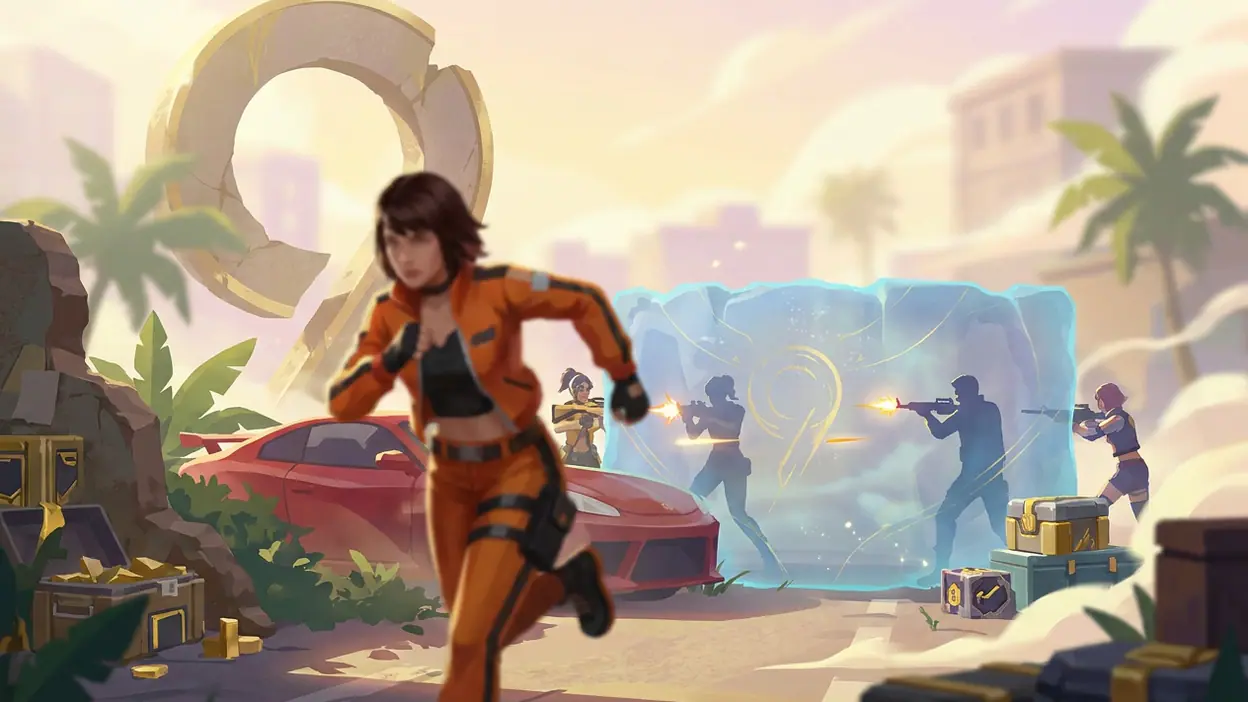
Free Fire’s core loop is unusually easy to re-enter. A match begins with a flight over the island, a fast decision about where to land, and a hunt for weapons, armor, and useful supplies. The safe zone steadily compresses the playable space, pushing squads into confrontations until one team remains. A round can be over quickly, but it rarely feels quiet: a clean opening loot run can turn into a scramble for cover, then a tense last stand around a wall or building.

Free Fire: 9th Anniversary
GARENA INTERNATIONAL I4.4Action
See More Apps Related to Free Fire: 9th Anniversary


An anniversary event earns its place by giving that loop a second layer. Instead of treating the ninth birthday as decoration alone, its activities and rewards can turn the next match into a step toward something specific. The celebration gives returning players a reason to check in and gives regulars a fresh target between the familiar decisions of landing, looting, rotating, and fighting. That is a sensible fit for a game designed around short, repeatable rounds.
The key is that the match still has to carry the excitement. A reward screen cannot replace the small decisions that make Free Fire compelling: whether to chase a nearby gunfight, hold a stronger position, or risk crossing open ground before the zone closes. The anniversary works when it sends players back into those decisions with a little more anticipation.
What the event actually adds
At its most practical, an anniversary feature is a return path into the game: event objectives to pursue, themed rewards to earn, and a reason to play during a particular period. The exact value depends on what is available in the live event and how its tasks are structured, so it is better to judge the design by its role than to assume every player will receive the same item or progression track. The useful question is whether the activities reward normal play or demand that players reorganize their time around them.
When objectives can be completed through matches players already want to play, the event feels like a bonus attached to the routine. A player who drops with friends, survives a few hectic engagements, and makes progress along the way gets a clear return on time. If a task instead demands repeated, narrowly specified actions, the celebration can begin to feel like work. That distinction matters more than the size of a reward: good event design enriches play without replacing the reason to play.
Why a small nudge matters
Free Fire depends on repetition, but repetition can cut both ways. Familiar maps and familiar weapon hunts make the game easy to learn and quick to revisit; they can also make another round feel like a copy of the last. A limited-time anniversary goal adds a modest question to the routine: what am I working toward in this session? That question changes the emotional texture of a match even when the gunplay and map do not change.
Worth Reading Next

Gmail Makes Being Reachable Feel Like the Default
Photomath’s Quiet Community Runs on Shared Explanations

Google Messages Gets the Everyday Basics Right
Art Puzzle’s Gentle Loop Needs Clearer Recovery

Switching to Uber Means Rethinking When You Travel
More From Our News Desk
View All
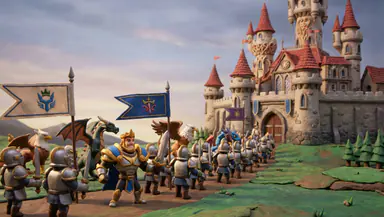
There is a social value, too. Anniversary periods give squads a common topic and a shared deadline. Friends can compare what they have unlocked, decide whether to complete a task together, or simply use the event as an excuse to get back into a group queue. The event does not need to reinvent team play to strengthen it. It only needs to give players a reason to coordinate for one more round.
This is also why anniversary rewards carry more weight than ordinary login clutter. The ninth birthday marks the game’s longevity, so a well-chosen reward can feel like a souvenir from a particular moment in its life. Cosmetic items do not change how a firefight works, but they can make participation feel visible. Their value is personal and social rather than tactical.
The best moment to play it
The event makes the most sense during a short session with friends, when nobody wants to commit to a long campaign but the group still wants a goal. One player may be chasing an objective, another may be testing a weapon, and a third may simply want the usual rush of surviving a crowded landing. The match can accommodate all three, provided the event’s tasks do not force the squad into contradictory play styles.
Picture a squad landing near a cluster of buildings, splitting just far enough to search for gear, then regrouping when shots draw attention. The anniversary objective gives the group a small reason to stay focused, but the immediate pressure still comes from the match: a teammate needs a revive, the safe zone is moving, and an enemy team has taken the better angle. The reward pursuit is in the background, where it belongs. The fight remains the story.
Solo players can benefit as well. A clear goal gives a run meaning even when matchmaking does not deliver a stable squad, and quick rounds make it painless to try again after a rough start. But the event’s social pull is strongest when players can make progress together without having to micromanage every action.
How it changes player behavior
Any event objective influences how people move through a match. A broad goal can encourage players to keep playing naturally; a narrow one can send them toward a particular location, weapon, or risky encounter. That change is not automatically bad. Limited-time goals can break a settled routine and coax players into choices they might otherwise ignore. The question is whether the detour produces an interesting match or merely delays the next one.
Free Fire’s pace makes this trade-off especially noticeable. There is little room for a long warm-up: a decision to chase an objective can quickly become a close-range fight, and a careless rotation can end a run before it has properly begun. That pressure helps event tasks feel connected to play rather than separated into a side mode. It also means poorly balanced objectives can become irritating fast. If the fastest route to progress repeatedly conflicts with survival, players may focus on the task and stop caring about the match.
The smarter version of the anniversary encourages an extra session without making players feel punished for taking a break. A limited-time celebration naturally creates urgency, but urgency should not become a demand for daily attendance. Casual players should be able to enjoy the event at their own pace, not discover that a missed day has turned a fun goal into a catch-up grind.
Where the design feels smart
The strongest design decision is keeping the celebration close to the regular loop. Free Fire’s compact matches are already suited to bursts of play, so an event that fits around them has a low barrier to entry. Players do not need to relearn the controls or understand a separate competitive system before they can take part. They can enter a match, make the same tactical choices they know, and let the anniversary layer add a reason to continue.
That familiarity also gives the event room to welcome returning players. Someone who has not played for a while can understand the basic appeal immediately: find equipment, stay ahead of the zone, and outlast the opposition. The anniversary supplies a current point of interest without asking that player to master an entirely new game. For a long-running mobile title, that is a more useful welcome than a wall of unfamiliar systems.
There is a satisfying rhythm when the pieces line up: a quick queue, an unpredictable drop, a burst of looting, a mid-match rotation, and a final fight that can collapse in seconds. The event objective adds continuity between rounds, while the battle itself stays uncertain. That balance is where the feature delivers real value.
Where it still falls short
An anniversary theme cannot make every reward desirable. Players who do not care about a particular cosmetic or collection goal may see little reason to pursue it, and a celebration that leans too heavily on menus can feel remote from the action. The event’s value also depends on clear communication: players should be able to tell what counts toward progress and how much time remains without digging through layers of screens.
There is a broader limitation, too. A themed reward does not solve the frustrations built into a battle royale. A poor drop, an early elimination, an uneven squad, or a sudden encounter with a better-equipped opponent can still make a session feel short-changed. The anniversary may make another attempt more appealing, but it cannot guarantee that the next attempt will be fair or satisfying.
And because the core match stays familiar, the event is not a major reinvention for veterans. Players who want a new map, a different strategic layer, or a substantial mechanical change should not expect an anniversary label alone to provide one. Its strength is in refreshing the reason to return, not rebuilding the game.
How other mobile apps frame the same problem
The contrast with apps such as Instagram or Microsoft SwiftKey AI Keyboard is useful because those products earn repeat visits through ongoing utility or a stream of fresh content. A battle-royale game has a different job: it must make each session engaging on its own. Free Fire’s anniversary event bridges those approaches by giving a time-limited reason to return while relying on the match itself to hold attention. Unlike a feed or keyboard, it cannot quietly become part of a daily routine; it has to make the next round feel worth starting.
That is also why the event should not be judged only by how many items it lists. Its more important measure is whether it changes the cadence of play without disrupting the game’s quick, readable loop. A large set of tasks can still feel hollow if the matches around them are just chores. A smaller set can feel worthwhile if it gives a squad a shared objective and leaves room for the unpredictable moments that make Free Fire fun.
Who gets the most from it
Regular players who enjoy collecting cosmetics and setting small session goals will find the clearest appeal. So will returning players who want an easy reason to reinstall, queue with friends, and see what has changed without committing to a long learning process. Casual squads are particularly well served when the event lets them make progress through ordinary play.
Players who want deep tactical variety or a wholesale mechanical overhaul should keep expectations measured. The anniversary is a feature layer, not a new foundation. It can make familiar matches feel more purposeful, but it cannot substitute for a different kind of game or remove the randomness that defines battle royale.
My verdict is that Free Fire: 9th Anniversary is most successful as a reason to return, not as a reinvention. Its best contribution is modest but meaningful: it gives the fast match loop a shared, time-bound goal and lets the game’s natural tension do the heavy lifting. If the event’s tasks fit the way you already like to play, the celebration adds welcome momentum; if they feel like chores, the familiar gunfights will not disguise that for long.