Art Puzzle’s Gentle Loop Needs Clearer Recovery

A half-finished picture is a pleasant place to be in Art Puzzle - Puzzle Games: a few scattered objects wait for their proper homes, and every correct placement makes the scene feel more complete. The harder test comes when a tap misses, a session gets interrupted, or the game gives too little feedback to tell you what happened. Art Puzzle’s core loop is forgiving and easy to re-enter, but its resilience is less thoroughly explained than its soothing presentation suggests. That makes it a fine low-pressure pastime, with a caveat for players who need dependable, clearly communicated recovery.
The reliability promise
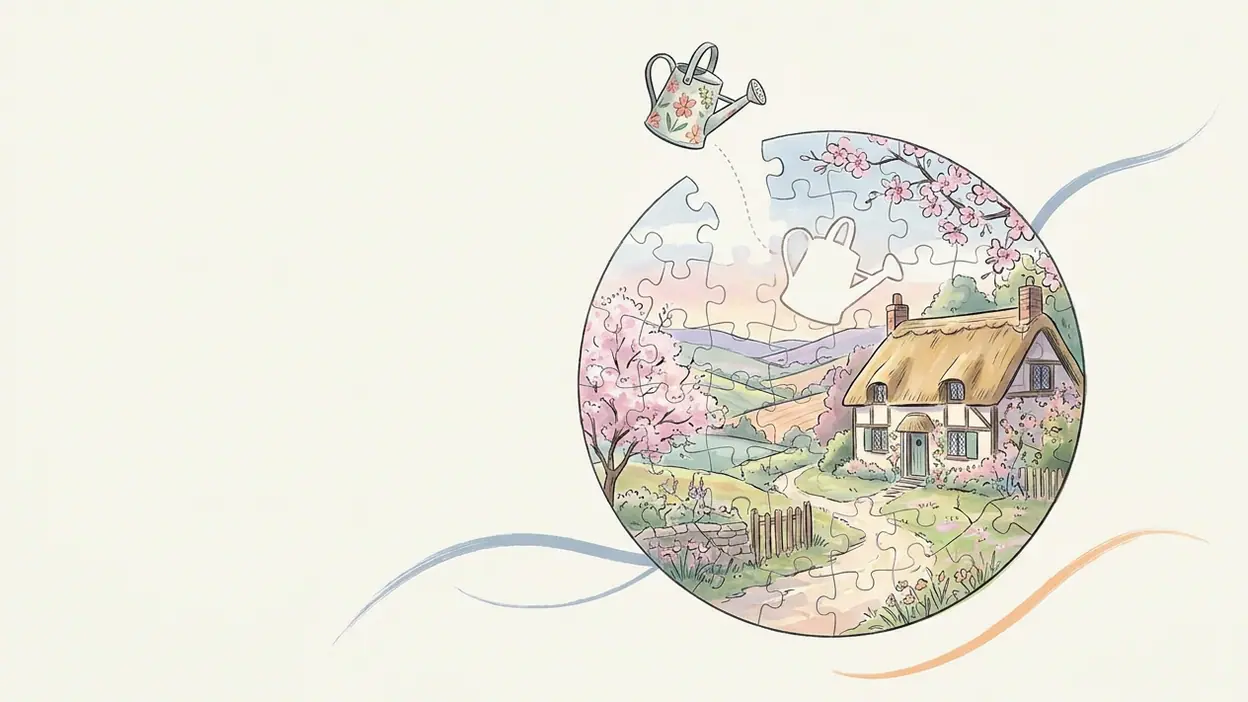
Art Puzzle builds each level around an illustrated scene with missing objects. You drag or tap the available pieces into the spots where they belong, gradually revealing a finished composition. The pleasure is tactile and visual: a small object clicks into place, the scene gains another detail, and the puzzle moves from scattered fragments toward a tidy whole.

Art Puzzle - Puzzle Games
Easybrain4.8Puzzle
See More Apps Related to Art Puzzle - Puzzle Games


That structure makes a modest promise. The game should let you make progress at your own pace, avoid punishing ordinary mistakes, and make it easy to pick up again. It is not a complicated strategy game that demands a long, uninterrupted run. Its best quality is the short, gentle rhythm: look, test a placement, watch the illustration change, then decide whether to continue or stop.
But a calm loop is not the same as a proven recovery system. A polished level can feel reliable during a normal session while leaving questions about saved progress, offline behavior, or what happens after an unexpected close. Those are separate claims, and they should not be blurred together.
First setup failure points
The early experience is comparatively easy to understand. The central task is visible, and the game’s picture-led design does not ask players to learn a dense ruleset before they can begin. That reduces one common setup risk: confusion about what the game expects. Players who prefer a quiet puzzle over a tutorial-heavy experience should feel at home quickly.
Other setup details can matter more than the first level. A mobile game may request permissions, show optional offers, or rely on account and network services, but those particulars can vary by version and platform. I would not treat any one permission screen or sign-in path as universal. In particular, do not assume that progress is backed up across devices unless the game clearly confirms an account or synchronization feature.
For a new player, the safest approach is simple: note whether the game offers a guest route or account option, read permission prompts before accepting, and avoid clearing app data while progress is still local or unconfirmed. This is cautious advice, not evidence that Art Puzzle routinely loses saves. It is a distinction worth keeping, because a friendly first level cannot demonstrate how a profile behaves after reinstalling or changing devices.
Worth Reading Next

Zoom Workplace Wants to Own Your Whole Workday, Not Just Your Meetings
My Talking Tom’s Daily Ritual: Can a Viral Pet Loop Last?

Piano Music Go Turns Quick Breaks Into a Test of Rhythm and Precision
How to Use Yelp to Find Better Places With Less Scrolling

Temu Turns Bargain Hunting Into a Daily Habit
More From Our News Desk
View All

Mistakes and reversibility
The puzzle’s main mistake is an incorrect placement. Because the task is to fit objects into an illustration, a wrong guess is usually an experiment rather than a catastrophic choice. You can inspect the scene, try a plausible spot, and adjust your thinking when it does not look right. The design invites observation more than memorization, which keeps errors from feeling like a personal failure.
That forgiving feel should not be mistaken for verified undo behavior. A misplaced piece may be easy to correct in ordinary play, but the precise controls and consequences can depend on the current level and game version. If an object snaps somewhere unexpected, look for a clear selection or removal response before repeatedly tapping. The important resilience question is whether the game communicates how to reverse the action, not merely whether the puzzle can eventually be solved.
Hints, where available, can help when a scene stops making sense, but they change the character of the puzzle. A hint may remove the search that makes a placement satisfying, and any limited-use or reward conditions should be checked in the game itself. I would save assistance for a genuinely stalled moment instead of treating it as a routine shortcut. The game works best when the player gets to notice the fit.
Interruption and return
Art Puzzle’s bite-sized structure is naturally suited to interruptions. A level is built from a sequence of small placements, so there are obvious moments to put the phone down without abandoning a long tactical plan. A call, a message, or a short pause is less disruptive here than in a match-based game such as 8 Ball Pool, where an opponent may still be waiting.
That comparison is about session shape, not a guarantee that every interruption is harmless. Mobile operating systems can suspend or close an app when memory is tight, and a battery shutdown is different from a brief background pause. I cannot claim that every level state survives every force-close, device restart, or operating-system cleanup. If progress matters, return to the game after a normal pause and check that the scene reflects your last completed action before assuming the save is current.
The game’s calm pace does provide a useful kind of recovery: even if you lose the thread of a scene, the task is legible again. You can look at the unfinished illustration and resume reasoning without reconstructing a complicated sequence. That is a genuine strength of the design, though it is not proof that the app has restored all unsaved progress.
Connectivity pressure
A picture-placement puzzle does not inherently need a live opponent, so a weak connection is less central to the core activity than it would be in a competitive game. The expectation is that you can focus on the artwork, not manage a timed exchange. Still, network requirements can affect downloads, ads, purchases, account services, or other features around the puzzle.
Without a controlled test across airplane mode, fluctuating mobile data, and a full network outage, it would be misleading to promise that every level works offline. Nor should an error during a connection hiccup automatically be read as lost progress. Wait for the connection to settle, reopen the relevant screen, and check the game’s visible state before retrying a purchase or repeating an action that could charge an account.
This is where Art Puzzle’s relaxed identity can create an expectation gap. The puzzles feel self-contained, but a mobile product may still depend on online services at the edges. A clear offline indicator or explicit save confirmation would make that boundary easier to understand.
Unclear states and recovery guidance
The most frustrating failure state in a gentle puzzle is not necessarily a wrong move. It is uncertainty: an object does not seem to respond, a level looks incomplete after returning, or a screen pauses without explaining whether the game is loading, waiting for a connection, or stuck. When a game keeps its presentation quiet, useful status feedback matters even more.
In those moments, use a conservative recovery sequence. Give the screen a short moment to respond, check whether the device has a stable connection if the game appears to need one, then leave through the normal app switcher and reopen it. Inspect the level before repeating a purchase, spending a hint, or clearing stored data. If the problem continues, record the device, operating-system version, game version, and the action that triggered it before contacting support.
This is practical troubleshooting, not a claim that Art Puzzle provides those exact recovery steps in its own help materials. The game should ideally explain what is safe to retry and what might consume a resource. Until that is clear, avoid rapid repeated taps on an unresponsive screen. They rarely improve diagnosis and can make it harder to tell which action took effect.
Where the evidence is missing
A resilience review needs to separate what the design makes apparent from what requires repeatable testing. The visible, well-supported point is that Art Puzzle’s basic interaction is simple: place pieces into illustrated scenes and build toward completion. Its short-form rhythm also makes pausing feel less costly than abandoning a long match or elaborate simulation.
More demanding claims need evidence that a single ordinary session cannot provide. I would want repeated tests of force-closing mid-level, restarting the device, switching between Wi-Fi and mobile data, completing a level offline, and restoring progress on a second device. I would also want to know how the game handles purchases or hint use when a network request times out. Without those checks, saying that saves always persist or that every puzzle works offline would be guesswork.
That limit does not make the game unreliable; it makes the answer incomplete. A careful review should not turn missing evidence into either a failure accusation or a glowing assurance. Here, the fair reading is that the game’s puzzle design is forgiving, while its edge-case recovery deserves verification on the player’s own version and device.
Who needs more certainty
For someone who wants a relaxing visual puzzle in spare moments, the trade-off is likely acceptable. The game asks little of the player beyond attention and a willingness to experiment. There is no need to keep track of a rival’s next move, as in 8 Ball Pool, and the scene gives you a clear reason to keep going: each successful placement makes the illustration more complete.
Players who spend money on hints or other extras, rely on synchronized progress, or have an unreliable connection should be more cautious. So should anyone who expects a game to preserve every unfinished action through a force-close. Before investing time or money, check the current version’s account, purchase, and save behavior directly. If those details remain unclear, treat the game as a casual session rather than a dependable cross-device collection.
That is not an unusually harsh standard. A quiet game can be a welcome break, but players still deserve to know whether their progress is stored, what a hint costs, and how to recover from a stalled screen. Clear answers would make Art Puzzle easier to recommend without qualification.
Resilience verdict
Art Puzzle - Puzzle Games gets its strongest resilience points from the nature of its loop: short, visual, low-pressure, and easy to understand again after attention wanders. Mistakes belong to the act of testing a fit, and the unfinished picture gives returning players a natural route back into the puzzle. Those qualities make it more interruption-friendly than games built around live competition or long, intricate runs.
Its limits are equally important. A forgiving puzzle is not proof of robust save recovery, universal offline play, or clear handling of purchases during network trouble. Those behaviors need direct, version-specific confirmation, and the game should communicate them more plainly. My verdict is cautiously positive: Art Puzzle feels resilient during ordinary play because its core task is easy to resume, but players who need certainty about saved progress or connectivity should verify those details before relying on it.