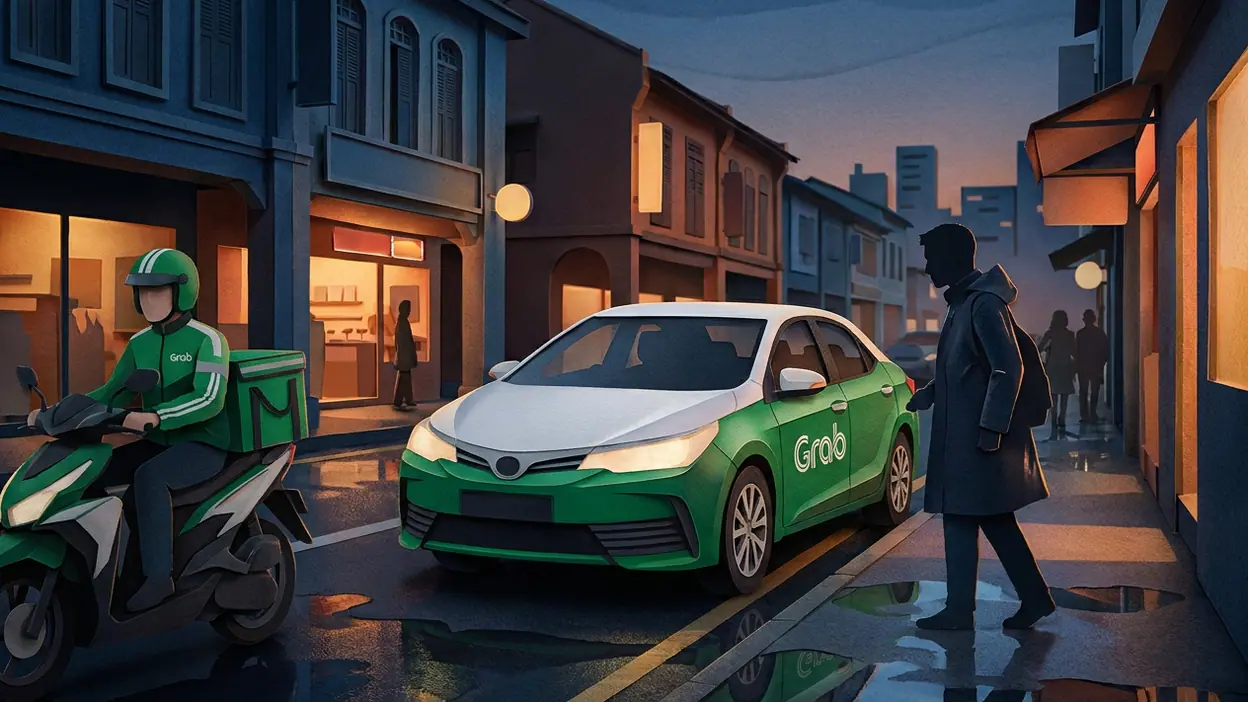
Grab Makes Everyday Errands Easier, With Limits

A ride home, dinner after work, a parcel that cannot wait: each used to mean a different call, app, or bit of planning. Grab’s appeal is that it puts these errands in one place, then makes the next step feel close at hand. That matters more now because people increasingly expect daily logistics to work on demand. Grab - Taxi & Food Delivery is not simply a taxi app with meals attached; it is a practical response to a life organized around short windows of time.
That promise is strongest in the Southeast Asian cities where Grab operates deeply, and it depends on local availability. The service combines transport, food delivery, and other everyday services in supported markets, so the experience can shift from finding a car to ordering dinner without starting over elsewhere. In my view, the useful idea is not that one app can do everything. It is that several common chores share the same starting point.

Grab - Taxi & Food Delivery
Grab Holdings4.8Travel & Local
See More Apps Related to Grab - Taxi & Food Delivery


Why Grab feels more essential now
Convenience used to mean saving a few taps. Now it often means keeping a day from breaking into disconnected tasks. Work runs late; a meeting moves; rain makes a walk impractical; the groceries are still at home while dinner needs to happen. These are ordinary situations, but each carries a small coordination cost. A service that can arrange a ride or bring food to a changing location takes some of that friction away.
The shift is visible in how people make plans. More of us decide what we need only when the need arrives: a ride after the last train, lunch between calls, or a meal ordered once everyone is finally home. That habit makes live availability, location sharing, and clear order status feel less like premium features and more like basic expectations. Grab fits this pattern because it ties a request to a place and a moment, rather than asking users to plan every detail well in advance.
There is a trade-off hidden in that ease. On-demand services can make spontaneous decisions feel effortless, while the cost of each individual trip or delivery is easy to overlook. Grab is most valuable when it solves a real timing or mobility problem, not when it turns every small inconvenience into another paid order.
One app for several kinds of urgency
The app’s timeliness comes from how quickly everyday needs can change category. You might open it for transport, then use it for a meal later that day. In supported locations, the broader service range can also reduce the need to maintain a separate account and learn a different interface for each errand. The practical benefit is continuity: familiar addresses, payment options, and order tracking can make repeat tasks feel simpler.
Transport is the clearest immediate use. A user can request a ride, review available options, and follow the pickup process without negotiating every detail from scratch. The map and trip status help answer the questions that matter while waiting: where the driver is, whether the pickup is progressing, and what happens next. In busy urban areas, that visibility can be more reassuring than simply being told that a car is on its way.
Worth Reading Next

Make FanDuel Sportsbook & Casino Work Better for You
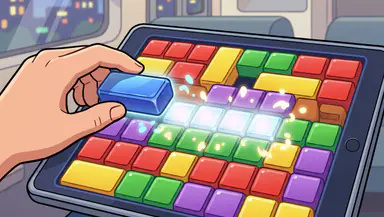
Block Blast! Turns Spare Minutes Into a Test of Self-Control
More From Our News Desk
View All

Food delivery addresses a different kind of urgency: not an emergency, but the familiar moment when there is no time or energy to cook. Browsing menus, placing an order, and checking its progress in the same app that handles transport creates a useful routine. The app is especially persuasive for people whose schedules shift throughout the day, because it lets them make a decision when they know where they will be and how much time they have.
People adopting this model fastest are likely to be urban commuters, students, shift workers, visitors, and households juggling several schedules. They may not use every service on offer. A commuter could rely on rides most days and order food only when work runs late; a visitor might use transport heavily while depending on delivery after reaching a hotel or rental. The common thread is not age or tech enthusiasm. It is the value of reducing small decisions under time pressure.
What the unified approach improves—and what it does not
Compared with older options, Grab removes some of the handoffs. Instead of calling a taxi, explaining a destination, and hoping the timing works out, users can make a request through an app and see the journey develop. Instead of browsing a restaurant’s own ordering process, they can find participating choices alongside the rest of their everyday services. That does not guarantee a better ride or meal, but it can make the process more legible.
There is also a modest convenience in repetition. Saved locations and familiar payment flows mean regular errands can take less effort after the first few uses. Tracking reduces the need to call for updates, and the app’s service categories make it easier to switch intent without searching a phone for another tool. This is the sort of advantage that becomes noticeable through habit, not through a dramatic first-use feature.
Still, a unified app does not unify the real world. Availability, fares, delivery times, restaurant selection, and service quality can vary by neighborhood and by time of day. Demand surges may make a ride expensive or difficult to find; traffic and weather can push delivery estimates around. A map pin can also be awkward at a crowded entrance or large building, where a brief message or clearer pickup instruction would help more than another screen of status.
Food orders bring their own limits. A delivery app can show a restaurant’s menu and relay an order, but it cannot control every kitchen delay or ensure that a meal arrives exactly as expected. Fees and minimums deserve a careful look before checkout, particularly for smaller orders. The convenience is real, but it is not free, and the total can feel less attractive once the initial menu price is joined by delivery and service charges.
The app may also feel busy to someone who only wants one thing. A broad service platform has to present several choices, and that can mean extra decisions when the user simply needs a ride. The best version of Grab is the one where familiar tasks are quick to repeat; the weaker version is a crowded front door that asks a new user to understand the whole ecosystem before getting moving. A little interface complexity is the cost of breadth.
A clue to where mobile life is heading
Grab says something larger about how phones are becoming operational tools. We once treated apps as separate destinations: one for directions, one for transport, one for meals. Increasingly, people want an app to connect a request with the practical steps that follow it. The phone is not just where a decision is made; it is where the location, payment, handoff, and progress updates meet.
That makes Grab a different kind of utility from Microsoft Teams, which coordinates work, or a universal TV remote app, which replaces a physical control. Those products organize a particular activity. Grab is built around movement and errands in the physical world. Its usefulness depends on local drivers, merchants, roads, and delivery networks, so the app’s success is inseparable from the service behind the screen.
This dependence is also why its relevance is unlikely to disappear soon. As long as people travel through cities, order meals, and value reclaimed time, on-demand logistics will remain useful. The exact services people rely on may change with local prices, regulation, competition, and personal budgets. Grab’s strongest long-term case is not that everyone needs every feature, but that a familiar account can support several recurring needs without demanding a fresh routine each time.
There is a limit to how far that convenience should spread. Mobile life can become a chain of paid solutions to problems that used to be handled with a little planning, a walk, or a call. Grab is worth keeping because it can make a genuinely difficult or time-sensitive task easier, not because every errand should be outsourced. Used selectively, it feels like useful infrastructure rather than an invitation to stay inside an app.
Grab - Taxi & Food Delivery earns its place for people who regularly need transport or food at short notice in a supported city. Its best quality is practical continuity: request, track, pay, and move on from one familiar interface. Its weak points—variable availability, changing costs, crowded choices, and the limits of delivery itself—are real, but they do not erase the appeal. If your days are shaped by shifting plans and urban errands, Grab is a sensible app to have ready; if you rarely need those services, its breadth may matter less than its convenience suggests.