Plants vs. Zombies Is a Lawn Puzzle, Not a Planting Contest

Plants vs. Zombies™ looks like a game about putting funny plants in front of zombies, but that description misses the real pleasure: managing a lawn under pressure with just enough information to make a smart plan. The quickest route to better play is not memorizing every level. It is learning to protect your sun income, match plants to the shape of a wave, and spend seed slots on answers rather than favorites. That shift turns a charming tower-defense game into a remarkably readable tactical puzzle.
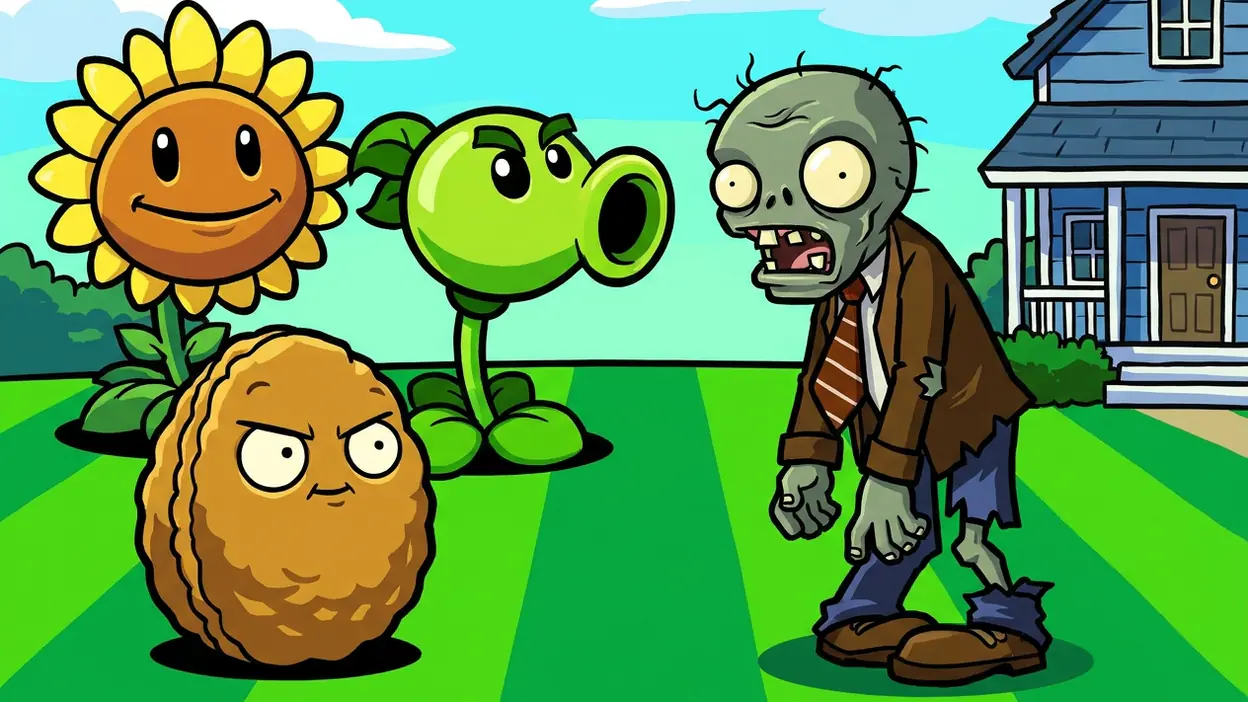
The original mobile game still works because its rhythm is so clean. A quiet stretch lets you plant, a new zombie changes the problem, and the lawn gives you a few seconds to respond. A Peashooter buys time; a Wall-nut buys more; a Potato Mine can punish a slow opening. The cartoons soften the pressure, but the decisions are real. You are always balancing what the next wave might contain against what you can afford now.

Plants vs. Zombies™
ELECTRONIC ARTS3.7Strategy
See More Apps Related to Plants vs. Zombies™


Play the lawn, not your favorite lineup
Why most people barely use it well
New players often treat each level as a collection exercise: bring the plants they like, then place them wherever a zombie appears. That works for a while, especially on early daytime lawns, and it can disguise a weak economy. Once waves grow denser, an overstuffed defensive line is expensive, and a lineup without a specific answer can collapse quickly.
The more useful mental model is a small toolkit. Sunflowers generate the resource that lets you act; cheap attackers establish early coverage; durable plants buy time; and specialized plants solve particular threats. A Snow Pea can slow a target, for example, but it costs more than a basic Peashooter. The right choice depends on the level and the wave, not on whether one plant seems stronger in isolation.
Pay attention to the lawn’s layout before selecting your seed packets. Pool levels divide your attention between land and water, fog limits what you can see, and roof levels change how attacks travel. The game is telling you what kind of plan it wants through the board itself. Ignoring that information is one reason a familiar lineup suddenly stops working.
The fastest immediate win
On ordinary daytime levels, start by establishing sun production before building a full attack. Plant an early Sunflower as soon as you can, then add another while the first zombies are still far from your house. Do not wait for a perfect economy: a lone Peashooter in the threatened lane can buy the seconds you need. The practical goal is to reach a steady income without leaving a lane completely unanswered.
Use falling sun promptly when it helps you reach the next useful plant, but do not panic-spend every time a zombie appears. A Potato Mine is a good early answer when its planting delay is safe; a Wall-nut can hold a lane while your attackers work. If an early threat is already covered, saving for another Sunflower may be more valuable than adding a second attacker. This one change, thinking in terms of time bought per sun spent, improves a surprising number of levels.
Worth Reading Next

1Weather Review: Clear Forecasts for Better Daily Plans

InShot Makes Quick Video Editing Easy, but Small Screens Have Limits
More From Our News Desk
View All


There is no universal opening script. Night levels change the economy, and later settings introduce different constraints. Treat the Sunflower opening as a daytime default, not a rule to force everywhere. Read the level first, then decide which plant will keep you alive long enough to build the rest of the plan.
Settings worth changing first
Plants vs. Zombies is refreshingly light on settings that need tuning. You do not need to hunt for a hidden performance mode or spend time configuring a complicated control scheme. Before a longer session, check the game’s sound and music levels against your surroundings, and make sure the device is set up for comfortable touch play. The game’s audio cues help the lawn feel lively, but they are not a substitute for watching lanes and wave timing.
On touch screens, use the pause control when you need to think, especially while selecting seed packets or rearranging your attention between lanes. Pausing is a planning tool, not a failure. If an operating system’s notification banners regularly cover the play area, use its Focus or Do Not Disturb mode for a session. These small setup choices matter more than obscure in-game adjustments because a missed threat can cost a mower or a whole attempt.
Also check which version you have installed. Mobile editions can differ in presentation, included content, and purchase or advertising details, so do not assume every storefront listing behaves identically. The core lawn strategy remains familiar, but it is sensible to review the current app listing and in-game options before buying or restoring content.
A better workflow for every level
Build a short pre-wave routine. First, identify the terrain: land, pool, fog, or roof. Next, note any zombie types the level has already introduced. Then choose a lineup with four jobs in mind: income, basic damage, delay, and a counter for the most awkward threat. Seed slots are limited, so a plant that does not support one of those jobs needs a good reason to come along.
Once the level starts, establish an early economy, cover the most exposed lane, and expand damage only as the incoming wave justifies it. Keep your strongest response available for the lane that actually needs it. When the warning for a large wave appears, check your sun, repair a dangerous gap, and avoid spending your reserve on a low-risk target. After the wave, reassess instead of continuing to plant by habit.
This routine makes failure useful. If a zombie gets through, ask whether the problem was a missing counter, a late plant, or too much spending in another lane. Changing one part of the setup at a time makes the lesson clear. Restarting with a completely different lineup may work, but it tells you less about why the first plan failed.
Shortcuts that save time
The best time-saving habit is to keep your eyes moving across the whole lawn rather than tracking the nearest zombie. Check the sun bank, scan lanes from left to right, then return to the seed packets. With practice, that loop becomes quick enough to catch a developing problem before it reaches the house. In pool levels, give the water lanes their own deliberate check; they are easy to neglect while land attackers draw your attention.
Use the game’s pause function to make careful selections during a busy moment, then resume once you know what you want to plant. Avoid tapping through the seed tray in a hurry if you are uncertain about the target lane. A misplaced plant can cost both time and sun. For a level you have already learned, prepare the same core lineup again instead of rebuilding it from scratch, but still review the level’s terrain and wave clues before pressing on.
Do not waste time trying to react to every zombie with a new plant. A well-positioned attacker often handles ordinary threats without help. Save your attention for changes: a new lane pressure, a tougher zombie, or a gap in the defense. That is the difference between busy play and efficient play.
Feature combinations that matter
Some of the strongest decisions come from pairing a plant’s job with another plant’s timing. A Wall-nut is not merely a shield; it gives attackers more time to deal damage. A slow effect from a Snow Pea can extend that window, though the added cost should be weighed against the threat. A Potato Mine can clear a vulnerable opening while your Sunflowers build the economy that supports a proper defense.
Think in layers rather than rows of identical plants. Put income behind the defensive line, use durable plants to control how long zombies remain exposed, and spend on specialized counters when a level’s threats demand them. In water stages, remember that land-only habits do not automatically cover the pool. Choose plants that suit the terrain before the wave becomes urgent. The combination is useful because each plant covers another plant’s weakness; simply stacking expensive attackers does not create the same safety.
There is also a useful pairing between observation and patience. A wave warning tells you that pressure is coming, but it does not mean every lane needs immediate spending. Keep a reserve when possible, watch where the threat forms, and commit the right answer there. That is more reliable than trying to predict every detail from the start.
Mistakes casual players make
The commonest mistake is planting too many attackers before building enough sun production. The next is overreacting to a zombie that is already under control, leaving no money for a genuine emergency elsewhere. Players also tend to fill every available space with the same plant. A dense board can look reassuring while still lacking a defense against the one zombie type that matters.
Another bad habit is carrying a beloved lineup into every environment. A strategy that works on a clear daytime lawn may struggle in fog or on a roof because visibility, space, or attack angles have changed. Treat each stage as a new puzzle with familiar pieces. Finally, do not dismiss the pause button or the lawn mowers. Pause when you need to plan; regard a mower as a last-resort safety net, not permission to leave a lane undefended.
Who benefits most, and when it becomes useful
This game suits players who enjoy compact tactical decisions more than sprawling systems. Each level teaches a rule, then tests whether you can apply it while the board grows busier. It is easy to play in short sessions, but its campaign gives those sessions a satisfying arc, and unlocking more plants adds meaningful options rather than just decoration.
It becomes genuinely useful as a strategy game once you stop treating losses as bad luck. The campaign’s gradual introduction of plants and zombies gives you a vocabulary; replaying a difficult level lets you test a better opening or a more focused seed selection. The survival and puzzle-style content, where available in your edition, can further reward planning, though the exact package may vary by version. The main campaign remains the strongest place to learn the game’s timing and economy.
Compared with a quiz game such as Trivia Crack, the challenge here is less about recalling facts than reading a changing board. It also has none of the utility-first purpose of Google Wallet or Microsoft SwiftKey. That distinction matters: this is a game built around repeated, readable decisions, not a tool meant to improve a daily task. Its stickiness comes from the satisfying moment when a better plan turns a chaotic lawn into a controlled one.
Final recommendation
Plants vs. Zombies™ remains an easy recommendation for anyone who wants strategy with a quick start and real room to improve. Its best trick is making resource management, lane coverage, and timing feel approachable without making them shallow. The mobile controls suit short bursts, and the levels reward attention rather than reflexes alone.
Its age shows in a campaign structure that can become repetitive, and the precise mobile edition experience depends on the version available in your store. Still, those limits do not erase the design’s clarity. Choose plants for their jobs, protect your economy, and let each wave tell you where to spend next. If you do that, the lawn stops being a row of targets and becomes the kind of puzzle you will happily replay.