All-in-One Games
For Android
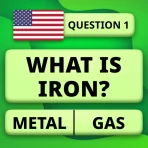
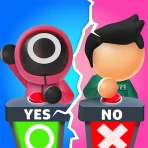
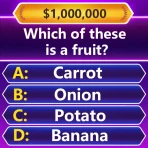
All-in-One Games is the kind of trivia title I open when I want something immediate rather than a long gaming session. It comes from NAJOX Play and is listed as a free game for Android, with an Everyone 10+ content rating. The basic appeal is easy to understand: it gathers several kinds of casual games into one place, so I can switch activities instead of committing to one large download or a lengthy campaign.
That convenience is also the main question behind the experience. A collection can feel generous when every activity is easy to reach, but it can also feel shallow if the individual games lack enough depth to hold attention. After spending time with it, my view is that its strongest role is as a quick, low-commitment trivia companion. I would recommend it to someone who enjoys short bursts of questions and simple challenges, while I would point dedicated quiz fans toward a more specialized alternative when they want deep subject coverage, detailed statistics, or a strong competitive community.
What the all-in-one format feels like in everyday use
The first thing I notice about this game is its low barrier to entry. Its store summary emphasizes instant play, and that description matches the practical reason to try it: I do not approach it as a major installation that needs planning. The short description calls it “All-in-One Games,” which sets the expectation of variety rather than one carefully expanded trivia system. That makes it a natural fit for a spare moment while waiting for an appointment, taking a short break, or sharing a phone with someone who wants a quick question round.
For a realistic everyday scenario, I could see myself opening it during a commute with only a few minutes available. A traditional trivia app may ask me to choose a subject, build a profile, or enter a particular mode before I can start. Here, the attraction is being able to move straight into casual play. If I lose interest in one type of challenge, the all-in-one approach gives me a reason to remain in the same app rather than searching for another one.
That flexibility matters more on a phone than it might on a larger screen. A mobile trivia session is often interrupted by a message, a stop, or a change in attention. I do not need to treat every round as a serious event. The game works best when I accept that it is designed around accessibility and variety, not around creating a long-term identity for one expert player.
The developer, NAJOX Play, has positioned this as a broad casual game rather than a narrowly defined quiz product. I find that positioning useful because it prevents the wrong expectation. If you want a carefully curated academic quiz with explanations after every answer, this is not the first type of app I would choose. If you want a free place to sample different light games without paying upfront, the concept is much easier to appreciate.
How the variety affects replay value
Variety can extend a game’s useful life, but it does not automatically create meaningful progression. In my experience, the collection format makes the first sessions more approachable because I can follow my mood. One day I may want general knowledge; another day I may prefer something faster and less demanding. The value comes from reducing friction between those choices.
The trade-off is that switching between activities can make the experience feel less focused. A specialist trivia app usually has a clear reason to return: a favorite topic, a daily challenge, a ranked ladder, or a personal knowledge goal. An all-in-one game has to earn repeat visits through breadth. If the individual activities do not offer enough variation, I may enjoy the first discovery phase but eventually return only when I need a quick distraction.
One useful way to approach it is to treat the different games as a rotation rather than trying to master everything at once. I would spend a short session identifying which activities feel most comfortable, then use those as a personal quick-play menu. This is a small but important distinction: the app becomes more enjoyable when I choose it for flexible downtime, not when I expect it to replace a full trivia hobby.
Another practical tip is to avoid judging the whole collection by one favorite or least favorite activity. The point of this title is the combined package. Someone who dislikes one format may still find the overall selection worthwhile, while someone seeking one excellent quiz mode may find the collection less satisfying than a dedicated competitor. That makes personal taste unusually important here.
Progress, pressure, and the question of spending
Because this is a free game, I naturally pay attention to whether the experience feels comfortable without spending money. The listed price is free, which makes trying it straightforward. However, “free” describes the entry price, not every possible part of the user experience. I do not treat that word as proof that every option, progression path, or convenience is permanently unrestricted.
That distinction is especially important for a casual trivia game. A player may be happy to answer a few questions and leave, while another may feel pressure if the design pushes repeated attempts, timed decisions, or rewards. I prefer to judge the game by whether it lets me enjoy short sessions without turning every mistake into a reason to spend. From a trust perspective, I would keep my expectations measured: the app is easy to try, but I would still review any purchase prompt carefully before confirming it.
You may also like

Amazon Kindle: Revolutionizing Digital Reading

Why OLX: Compras Online e Vendas Captivates Shoppers Worldwide

Unpacking the Strategy of Yalla Ludo's Jackaroo Mode

Why eBay's Mobile App Stands Out in Online Shopping

How Fishdom's Puzzle Mechanics Transform Your Aquarium Experience

Block Blast! The Perfect Puzzle for Busy Lives
I would not install it specifically to chase a long progression journey. The all-in-one concept is better suited to immediate play than to building a detailed collection of achievements. If you enjoy games where every session contributes to a visible, carefully balanced goal, a more focused trivia title may give you a stronger sense of direction. Here, the reward is mainly the activity itself and the convenience of having several casual options together.
This also affects how I would introduce it to a child or younger player. The Everyone 10+ rating gives a useful age signal, but it does not remove the need for ordinary supervision around device use and any purchase screen. I would let a younger family member play only after checking the experience personally and making sure they understand that free access does not automatically mean every on-screen option is free.
A good low-pressure routine is to set a natural stopping point before starting. For example, I might play during a short break and close the game when the break ends, rather than continuing simply because another round is available. This helps preserve the casual character of the app and prevents a quick trivia session from becoming an unwanted time sink.
Fairness matters more than a high score
Trivia games can feel unfair for several different reasons. A question may be obscure, an answer may depend on wording, or the game may give some players advantages that others cannot access. In an all-in-one collection, fairness is harder to evaluate as one simple quality because different activities may create different expectations. A fast reaction challenge and a knowledge question do not test the same skill.
My practical advice is to separate personal performance from the game’s overall fairness. Missing a question does not necessarily mean the system is poor, and answering quickly does not necessarily mean the challenge is balanced. I look for consistency: clear wording, understandable answer choices, and results that reflect knowledge or attention rather than confusion. When a question feels ambiguous, I would avoid treating the score as a serious measure of ability.
This is also why I would be cautious about using the game as a formal competition between friends. It can be fun to compare results casually, but a mixed collection may not provide an even playing field if players prefer different activities or have different familiarity with the subjects. A dedicated multiplayer quiz platform is usually a better choice when fairness, rankings, and competitive rules are the main reason for playing.
On the other hand, the mixed format can be fairer socially in one specific situation: a group with different interests. If one person is strong at facts and another prefers quick casual challenges, having multiple game types can reduce the feeling that only one kind of knowledge matters. I would use it as a shared entertainment option, not as a definitive test of who is the smartest person in the room.
Who should choose it and who should skip it
I think All-in-One Games is a good match for casual players who want a free trivia experience with variety and a simple starting point. It is particularly suitable for people who become bored with a single quiz format, families looking for a light shared activity within the age guidance, and anyone who wants something that fits around short breaks. The current version is 8.0, and the game supports Android 6.0 or later, so it is accessible to users with devices that are not running a very recent operating system.
The game has also attracted a meaningful early audience. It has passed fifty thousand installs and holds a 4.6 average from around one hundred seventy ratings, with eighteen written reviews. I read those figures as encouraging signs of initial interest, not as a guarantee that every player will enjoy every activity. A rating can tell me that many users had a positive impression, but it cannot replace my own judgment about question quality, pacing, or how much variety I personally need.
I would skip it if my priority were a deep learning tool. Students who need reliable explanations, structured revision, or progress tied to a curriculum should look for a dedicated educational quiz app. I would also choose another option if I wanted a serious online competition with established rankings and carefully defined matchmaking. The broad format is a strength for relaxed play, but it is not automatically a substitute for specialization.
Players who dislike switching between unrelated activities may also find the concept less appealing. Some people want one polished mode that gradually becomes more challenging. For them, the collection may feel like a menu rather than a complete destination. That is not a defect for every user; it is simply the central trade-off built into the title’s identity.
What I would check before committing to regular play
My first check would be whether the available activities remain enjoyable after the novelty of trying them has passed. I would play each option long enough to see which ones reward knowledge, which ones reward speed, and which ones are simply relaxing. This gives a more honest picture than judging the app from its first few minutes.
My second check would be how the game handles mistakes and interruptions. Mobile players often stop mid-session, so I would notice whether an unfinished round feels frustrating or whether it is easy to return later. I would also watch for repeated prompts that distract from the questions. These details have a bigger effect on everyday comfort than a flashy opening screen.
My third check would be spending discipline. Since the game is free to start, I would not assume that every optional convenience has the same status. I would read any purchase wording carefully, avoid tapping through unfamiliar confirmation screens, and use device-level purchase protections where appropriate. That is not a criticism of this particular title; it is sensible behavior for any free mobile game where the full purchase context should be understood before money is involved.
There is another trust-related point: I would avoid making strong claims about competitive balance or long-term progression until I had personally used the relevant modes over time. A first session can show whether the app is approachable, but it cannot establish how satisfying the game remains after repeated play. For me, that means recommending it as a low-risk trial rather than promising an endless source of fresh trivia.
My trust verdict after weighing the trade-offs
The strongest reason to try All-in-One Games is convenience without an upfront price. I can approach it as a compact collection for casual trivia and related quick-play moments, rather than as a demanding game that requires a large time investment. Its free listing, broad format, Everyone 10+ guidance, and support for Android 6.0 or later make the initial decision uncomplicated for many users.
My trust in it is practical rather than absolute. I trust the clear identity of the product: it is a trivia game built around an all-in-one selection, developed by NAJOX Play, and it has already gained a modest user base. I do not automatically interpret its rating or install count as proof of deep content, perfectly balanced competition, or a complete absence of spending pressure. Those are separate questions that each player should judge through normal use.
In the end, I would recommend it to a friend who asked for something free, varied, and easy to pick up on Android. I would describe it honestly as a casual collection, not as a replacement for a specialist quiz platform. The best way to enjoy it is to use the variety deliberately, keep sessions light, and treat scores as entertainment rather than a serious ranking of knowledge.
If that sounds like the kind of game you want, it is worth trying with modest expectations. If you need detailed explanations, structured learning, robust competitive fairness, or a clearly defined long-term progression system, I would spend my time looking elsewhere. For everyone between those extremes, All-in-One Games offers a convenient way to fill small gaps in the day while keeping the choice of activity open.
Pros
- Includes many game genres in one convenient app.
- Quick access to casual games without installing each title.
- Suitable for short play sessions and passing time.
- Simple interface makes browsing games easy.
- Offers variety for different ages and preferences.
Cons
- Game quality may vary considerably between titles.
- Some games may require an internet connection.
- Frequent ads can interrupt gameplay.
- Limited depth compared with dedicated standalone games.
- Performance may depend on your device and connection speed.
FAQ
What is All-in-One Games, and what type of games does it include?
All-in-One Games is a collection-style mobile app that brings several casual mini-games together in one place. Instead of downloading each title separately, users can access different game categories from a single interface. The selection may include puzzles, arcade challenges, card games, sports-inspired activities, and other quick-play experiences designed for short sessions and simple controls.
Is All-in-One Games free to download and play?
The app can generally be downloaded without an upfront purchase, allowing users to try its available games at no initial cost. However, the free experience may include advertising, optional purchases, or locked content depending on the version and platform. Before downloading, it is worth checking the store listing for details about in-app purchases, subscriptions, and any premium features.
Does All-in-One Games require an internet connection?
Some games inside All-in-One Games may work offline, particularly simple puzzles or arcade-style activities, while other features can require an internet connection. Online access may be needed for advertisements, updates, leaderboards, multiplayer modes, or loading certain games. Because requirements can vary between included titles, users should not assume that every game will be fully playable without Wi-Fi or mobile data.
Is All-in-One Games suitable for children?
All-in-One Games may be appropriate for children when the included titles have simple controls and non-violent, casual gameplay, but parents should review the app’s age rating and content before allowing independent use. Advertising and in-app purchases are also important considerations. For younger players, parental controls and purchase restrictions are recommended to prevent accidental spending or exposure to unsuitable advertisements.
What are the main advantages and disadvantages of using All-in-One Games?
The biggest advantage is convenience: users can try a variety of games without installing many separate applications, saving storage space and making casual entertainment easy to access. It can also be useful for discovering different genres. On the other hand, the quality and depth of individual games may vary, advertisements can interrupt play, and some features may depend on internet access or optional purchases.