


Uber - Request a ride
For Android & iOS· Uber Technologies, Inc.
 Analysis by FileLocations
I use Uber when I need to turn an uncertain journey into a fairly clear sequence: enter a destination, choose a ride option, meet a driver, and arrive without handling cash or finding a taxi rank. It is a free Maps & Navigation app from Uber Technologies, Inc., with an Everyone age rating, and it covers more than ordinary point-to-point rides. In my experience, its biggest strength is not that every trip is effortless, but that it gives the whole journey a visible workflow from the first tap to the final drop-off.
That distinction matters. A traditional taxi can be quicker when one is already waiting nearby, while public transport is often better for a predictable route and a tight budget. Uber sits between those choices: it is especially useful when I value door-to-door convenience, need a ride outside a station, or want to arrange an airport transfer through the same app I use for everyday travel. The real benefit is coordination, not simply calling a car.
Read Our Full Article
How Uber's Ride Request App Transformed Urban Mobility
2 min
Facebook’s Feed Is No Longer Just for Friends
15 min
Coloring Games: Color & Paint – A Creative and Educational Haven
3 min
B612 AI Photo&Video Editor: The Secret to Its Addictive Appeal
3 min
Word Search - A Cultural Lens on Digital Habits
3 min
Shooting Ball: Mastering Precision and Strategy in Mobile Gaming
2 min
From an uncertain starting point to a planned ride
My usual starting condition is simple: I know where I want to go, but I do not want to work out the pickup details by waving at passing cars or searching for a local taxi number. I open the app, set the destination, and check the available choices. That first stage is more important than it looks because a pickup can fail before a driver is even involved if the meeting point is vague.
I try to place the pickup pin where a car can safely stop rather than automatically accepting the phone’s first guess. Outside a shopping center, hotel, stadium, or airport, the most visible entrance is not always the best meeting point. A driver may be directed to a service road, a different terminal level, or a crowded curb. Moving the pickup location to a clear entrance can prevent the awkward call that begins with both people asking, “Where are you?”
The destination field also deserves a quick check. For a large building, I prefer a recognizable entrance or a precise place name over a broad neighborhood. This helps the driver understand the intended endpoint and gives me a better chance of noticing a mistake before the ride begins. I would not treat the app as a substitute for local awareness; construction, restricted roads, and confusing complexes can still make the final approach less obvious than the map suggests.
Uber is free to download and use as an app, which makes it easy to keep available for occasional travel rather than only for daily commuters. Its long presence in the market is reflected in a 4.7 average from around 19 million ratings and more than a billion installs. Those figures suggest a very familiar service, but they should not be mistaken for a guarantee that the same ride experience will feel identical in every city.
Choosing the ride before committing
Once the route is entered, I look beyond the first option shown. The practical question is not always “Which ride is cheapest?” It may be “Which option gives me enough space, a sensible pickup, or a better fit for this particular trip?” For a solo journey with a light bag, the basic choice may be enough. With luggage, another passenger, or a time-sensitive appointment, I pay more attention to the vehicle option and the estimated arrival information presented in the app.
This is one of the app’s useful handoffs: the screen translates my travel need into a request that a nearby driver can accept. I still have to make the judgment. If the route crosses a busy area at a difficult time, a displayed estimate can change after traffic or availability shifts. I treat the initial information as a planning aid, not as an absolute promise.
Before confirming, I check the pickup marker, destination, and the ride type one more time. That small pause is worthwhile because changing a destination after the trip has started can be more awkward than correcting it beforehand. It also gives me a chance to decide whether a normal ride is sensible or whether a train, bus, or nearby taxi rank would be more dependable for the journey.
The handoff from app to driver
After requesting a ride, the app becomes a communication bridge. It connects the request with a driver, then shows the information I need to identify the vehicle and meet the person behind the wheel. I make a habit of checking the vehicle details and driver information displayed in the app before getting in, rather than relying only on the car’s color or a quick glance at traffic.
The meeting point is where the digital plan meets the physical world. If I am at a busy curb, I move to a visible and legal stopping area when possible, while avoiding sudden crossings or standing in a place where the car cannot safely pull over. When a driver cannot see me, a short message or call can resolve the problem, but I prefer to prevent the issue by staying near the selected pin and watching the approach.
This handoff is convenient, but it also creates friction. A driver may arrive on the opposite side of a divided road, stop behind another vehicle, or be delayed by a building entrance that the map represents poorly. The app can show progress, yet it cannot physically clear the crowd or make a restricted curb accessible. That is why I leave a little mental space for the final meeting rather than assuming the car will appear directly beside me.
For someone meeting a ride at an airport, this matters even more. Terminals can have separate pickup zones and complicated pedestrian routes. I would follow the location instructions shown in the app and allow extra time to reach the correct curb. If I am carrying luggage or traveling after a long flight, the convenience of requesting a car is real, but the airport handoff still requires attention from me.
What happens during the trip
Once inside, I use the app as a reference point rather than staring at it continuously. It helps me keep the destination and route in view, while the driver handles the road. If the route looks different from what I expected, I ask politely instead of assuming the map has all the local context. A road closure, one-way system, or traffic pattern can explain a detour that looks strange on a small screen.
Worth Reading Next
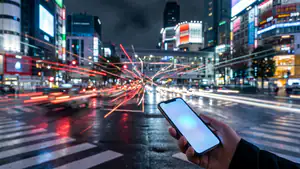


For everyday travel, this makes Uber useful in situations that are inconvenient rather than dramatic. I might be carrying groceries, heading home after a late event, visiting an unfamiliar part of town, or traveling with someone who cannot comfortably walk from a transit stop. The app reduces the number of separate tasks: I do not need to find a taxi stand, explain a destination from memory, or prepare cash for the fare.
That convenience should be balanced against the cost and availability shown at the time of booking. I do not assume the app is automatically the cheapest transportation choice. A local bus or train can be better for a regular commute, and a conventional taxi may be more practical in a central area where vehicles are already lined up. Uber is strongest when the value of direct pickup and a coordinated request outweighs those alternatives.
I also think about the passenger experience. A ride requested through an app is still a shared physical space with another person, so basic courtesy matters on both sides. I keep the pickup message clear, avoid changing plans casually, and make sure I have collected my belongings before leaving. These small habits reduce the chance that a smooth digital process ends with a preventable problem.
Arriving and closing the journey
The result I want is not merely to reach a map pin. I want to arrive at a usable entrance, understand that the trip is ending, and leave with a clear record of what happened. At the destination, I check that I have my phone, wallet, keys, and bags before stepping away from the vehicle. This is especially important at airports and busy curbside locations, where stopping to search through luggage can be stressful.
The app’s value continues after the car stops because the ride is handled as a digital transaction rather than an informal exchange. That makes the experience easier to review later than a cash journey with no record. It also means I expect the information in the app to be accurate enough for my own travel planning, so I pay attention to the final trip details instead of closing the app immediately.
For a realistic evening scenario, imagine leaving work with rain starting and a train connection that would require a long walk from the station. I enter home as the destination, move the pickup point to the office entrance where a car can stop, inspect the available ride choice, and wait somewhere visible. When the driver arrives, I verify the vehicle details, get in, follow the route, and check my belongings at the end. That sequence is not glamorous, but it is exactly where the app earns its place: it turns several uncertain handoffs into one trackable plan.
For an airport trip, I would use the same workflow in reverse. I would request the ride early enough to account for the walk to the pickup area, keep my luggage close, and avoid assuming that the terminal door is the meeting point. The app can organize the request, but it cannot remove airport crowds or guarantee that traffic will behave. My recommendation is to use it as one part of the travel plan, not as the entire plan.
Where the workflow breaks down
The first weak point is availability. If there are few drivers nearby, the wait can become inconvenient, and the displayed estimate may no longer fit my schedule. In that situation, a taxi rank or public transport option can be the better choice, particularly when I can see vehicles waiting or when the route follows a frequent transit line.
The second weak point is pickup precision. GPS is helpful, but it does not understand every entrance, private driveway, pedestrian zone, or temporary road restriction. Large venues are common trouble spots. I have found that the app works best when I actively choose a meeting point that a driver can recognize, rather than treating the pin as a complete set of instructions.
There is also a human dependency that no interface can eliminate. The driver must accept the request, reach the correct place, and understand the destination. I must be ready at the pickup point and communicate clearly if something changes. A local taxi driver who knows a particular neighborhood may handle a tricky address more naturally, while a bus or train removes the uncertainty of waiting for an individual vehicle.
Some users should therefore skip Uber as their default. If you have a fixed, inexpensive commute with reliable public transportation, the app may add cost without adding much value. If you strongly prefer hailing a cab in person, or if your area has an established taxi service that is consistently faster, that familiar option may suit you better. I would also avoid relying on any rideshare app as the sole plan for a critical appointment when a missed pickup would have serious consequences.
Who will get the most from it
I recommend Uber most to people who regularly move between neighborhoods, travel with luggage, or want one familiar process for airport and everyday trips. It is also useful for visitors who would rather enter an address than negotiate directions in an unfamiliar place. The app’s Maps & Navigation category is a good fit because the journey is organized around location, route, and pickup coordination rather than simply displaying a map.
It is less compelling for people who only need directions. A dedicated map or transit app may be better when the main question is which train, bus, or walking route to take. Uber is about arranging a ride, so its usefulness depends on wanting a vehicle and accepting the trade-off between convenience and the fare available at that moment.
Privacy and comfort preferences also matter. Some people will appreciate having trip details handled in the app, while others may prefer the direct simplicity of a local taxi. I would not choose based only on the high rating or huge install base. Those signs show that the service is widely used, but my decision still depends on the local transport situation, the pickup environment, and how much flexibility I have if the request takes longer than expected.
My overall assessment after using the complete flow
Uber, developed by Uber Technologies, Inc., has been available since October 28, 2010, and its mature approach is easy to recognize. The app guides me from destination entry to vehicle matching, pickup, travel, and post-ride closure without requiring me to switch between several services. That connected workflow is its clearest advantage.
My honest view is that it works best as a practical backup and a convenient door-to-door option, not as an automatic replacement for every taxi, bus, train, or walking route. I would install it for airport travel, unfamiliar journeys, late returns, and days when carrying bags makes public transport awkward. I would still compare it with a nearby taxi or transit route before confirming, especially when time and budget matter more than convenience.
With an Everyone rating and no purchase price to download, it is approachable for a broad range of users. The important skill is learning where to take control: choose a realistic pickup point, verify the ride before entering, allow for crowded locations, and keep an alternative in mind for time-critical travel. Used with that small amount of judgment, Uber is a dependable coordination tool rather than a magic solution.
That is why I would recommend it to a friend who wants a straightforward way to request a ride, while explaining the limits honestly. The app can make the journey feel organized, but the final outcome still depends on roads, drivers, pickup spaces, and local transport conditions. When those pieces line up, it is impressively convenient; when they do not, knowing when to switch to a taxi, transit service, or another plan is what makes the overall travel decision smart.
Pros5 things we liked
- User-friendly interface for easy ride booking.
- Wide availability in many cities worldwide.
- Option to choose ride type based on budget.
- Real-time tracking of ride and driver.
- Cashless transactions for convenience.
Cons5 things to know
- Surge pricing can increase costs significantly.
- Driver availability may vary by location.
- Occasional app glitches or slow response.
- Limited customer support for issues.
- Potential safety concerns with driver vetting.
FAQ's for Uber - Request a ride
What is Uber and how does it work?
Uber is a popular ride-sharing app that connects passengers with nearby drivers through a smartphone application. Users can request rides in real-time, track the driver's location, and pay through the app. The app provides an estimated time of arrival for the driver and allows users to choose different types of rides, from budget-friendly options to more premium services.
Is Uber available in my city?
Uber operates in many cities worldwide, but availability varies by location. To check if Uber is available in your city, you can visit the Uber website or download the app and enter your location. The app will inform you if ride services are available in your area or suggest nearby cities where Uber operates.
How do I pay for rides on Uber?
Uber offers a cashless payment system, allowing users to pay for rides directly through the app. Payment methods include credit and debit cards, PayPal, and Uber gift cards. Once you complete a ride, the fare is automatically charged to your selected payment method. Users can also split fares with friends directly through the app.
What safety features does Uber provide for riders?
Uber prioritizes safety by offering several features, including driver background checks, real-time GPS tracking, and a two-way ratings system. Riders can share their trip details with friends or family for added security. Uber also provides an emergency button within the app that connects riders to local authorities if needed.
Can I schedule Uber rides in advance?
Yes, Uber allows users to schedule rides in advance through their "Schedule a Ride" feature. You can book a ride up to 30 days in advance, specifying the date, time, and pickup location. This feature is especially useful for planning airport trips or ensuring a ride during busy times when immediate availability might be limited.









