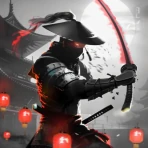
Destiny Hero: Black Myth RPG
For Android
I went into Destiny Hero: Black Myth RPG expecting a compact mobile role-playing game, but its central idea is much more ambitious: build a team of heroes, make repeated summons, and see how far a new combination can carry you. It is free to play, published by PlayDrive Games, and aimed at Teen players. After spending time with it, I see the appeal clearly. This is the kind of game that can turn a short break into a planning session, especially if you enjoy collecting characters and adjusting a team rather than controlling every battle manually.
The important thing is to understand what you are choosing. This is not a traditional, story-heavy role-playing adventure where every fight depends on direct movement and precise attacks. It is closer to a collection-focused mobile RPG built around progression, team decisions, and the excitement of summoning. The promise of a large hero pool gives it a strong first impression, but the long-term experience depends on how much you enjoy repeated improvement and the patience required to work toward a stronger roster.
How the current version feels to play
The current release is version 1.0.4, which makes the game feel like a relatively early chapter in its life rather than a mature title with years of accumulated systems. That is not automatically a weakness. A newer game can be easier to understand because it has less clutter, fewer overlapping menus, and a clearer sense of what the developers want the core loop to be. In this case, the core loop is easy to grasp: summon heroes, assemble a useful group, improve them, and keep pushing through the available challenges.
I found the opening minutes more inviting when I treated them as an experiment instead of trying to build a perfect team immediately. The best early question is not “Which hero is the strongest?” but “Which combination lets me progress comfortably with the resources I have?” That shift matters because a single impressive character does not automatically solve every encounter. A balanced group, with attention to survival and damage, is usually more useful than a collection of individually attractive heroes that do not work well together.
The game’s role-playing identity comes from that gradual investment. Each improvement makes the next stage feel more manageable, and each new summon creates another possibility to test. Players who like watching a roster develop will probably understand the appeal quickly. Players who want a complete action game in every battle may find the experience less satisfying, because much of the enjoyment comes before combat, in decisions about selection and preparation.
PlayDrive Games has positioned the title around accessibility. It is available at no purchase cost, and the store page shows over ten thousand installs, with an average score of 4.9 from around five thousand seven hundred ratings. Those figures suggest that the early audience has responded warmly, although I would still interpret them as a snapshot of a young game rather than proof that it will suit every type of RPG player. A high early rating can reflect a strong first impression, while the more demanding test is how enjoyable progression remains after the novelty of summoning fades.
Summoning is the main attraction, but it needs a plan
The headline idea is the number of summons available: the store summary describes 3,888 summons and says all heroes are included. I would not treat that as a reason to summon without thinking. A generous-looking system can still become confusing if you spread resources across too many characters or keep replacing a workable team before it has had time to develop.
My practical advice is to establish a basic team before chasing every new possibility. Keep a small group of dependable heroes as your working core, then use additional summons to answer a specific need. If your current team survives but takes too long to finish battles, look for more damage. If fights end with your attackers falling too quickly, strengthen the defensive side instead. This approach makes the large summon pool feel useful rather than overwhelming.
There is also a psychological trap here. Summoning is naturally more exciting than upgrading a familiar character, so it is easy to spend all your attention on the next draw. In everyday play, steady improvements to a reliable team often produce more immediate progress than constantly rebuilding around uncertain results. I found the game more enjoyable when I treated summons as tools for solving problems, not as the entire purpose of playing.
The phrase “all heroes included” is attractive for collectors, but collectors should also be comfortable with repetition and long-term organization. A broad roster creates choices, yet it also creates decisions about whom to keep investing in. Before committing resources, I would compare a hero’s role with what the team actually lacks. That simple habit prevents the common mobile RPG mistake of leveling several characters who all perform the same job.
A realistic short-session routine
Destiny Hero works best for me in short sessions built around a clear objective. For example, I might open it during a commute or while waiting for dinner, check the current team, spend available progression resources, and attempt the next stage. If the battle exposes a weakness, I can return to the roster and make one focused adjustment instead of randomly changing everything.
That routine is more sustainable than trying to complete every available activity in one sitting. It also helps control spending. Since optional purchases range from $0.49 to $99.99 per item, the game can be approached casually, but the wide price range is a reminder to decide on a personal limit before buying anything. A small purchase may feel harmless in isolation, while repeated convenience spending can change the cost of the experience quickly.
You may also like

Amazon Kindle: Revolutionizing Digital Reading

Why OLX: Compras Online e Vendas Captivates Shoppers Worldwide

Unpacking the Strategy of Yalla Ludo's Jackaroo Mode

Why eBay's Mobile App Stands Out in Online Shopping

How Fishdom's Puzzle Mechanics Transform Your Aquarium Experience

Block Blast! The Perfect Puzzle for Busy Lives
I would especially recommend turning the game into a “daily check and deliberate upgrade” habit rather than a constant summon chase. Use a session to identify one bottleneck, improve the relevant part of the roster, and stop when the next useful step would require a large amount of time or money. That keeps the game in its most enjoyable space: a light progression hobby rather than a source of pressure.
What the current release does well
The strongest part of the current version is its clear identity. It knows that the collection loop is the reason many players will arrive, and it puts that idea at the center instead of hiding it behind a complicated role-playing framework. The large hero selection also gives the game replay value in a practical sense: even after finding a comfortable team, you can still test different combinations and rethink how you approach progression.
I also like the way the game invites comparison between immediate power and future potential. A newly summoned character may look exciting, but the better choice is not always the newest one. Sometimes the useful decision is to strengthen a hero you already understand. That makes the roster feel like something to manage, not just a gallery of collectibles.
The Teen rating is worth keeping in mind for families. It places the game in a space intended for older children and teenagers rather than very young players. Parents should also remember that a free download can still contain optional purchases, so device-level spending controls are sensible if a younger person will play without supervision. That is not a criticism unique to this title, but it is particularly relevant when a game’s main loop encourages repeated summoning.
Version 1.0.4 is also a useful reference point for judging future development. At this stage, I would focus on whether later updates make team building clearer, provide meaningful reasons to use a wider range of heroes, and keep progression enjoyable for players who do not want to spend heavily. Those are the changes that would matter more to me than simply adding more characters.
Where the experience can become frustrating
The same collection structure that makes the game attractive can make it feel repetitive. If you enjoy direct control, physical movement, and moment-to-moment action, this may not provide enough involvement during battles. A conventional action RPG or a more hands-on turn-based game would be a better match for someone who wants every victory to depend on tactical input rather than roster preparation.
There is also a risk of decision fatigue. A large hero pool sounds generous, but new players may not know which characters deserve attention, especially when several seem useful at first. My solution was to avoid dismantling the team after every summon. I kept notes mentally around three simple questions: does this hero improve survival, increase damage, or add a role I do not already have? If the answer was no, the new arrival could wait.
Free-to-play progression is another point to consider carefully. The presence of purchases does not prevent a casual experience, but it can affect how quickly you reach goals and how tempting it feels to accelerate progress. The top end of the listed purchase range is substantial for a mobile game, so anyone who dislikes monetized collection systems should approach this title cautiously. If you prefer buying a game once and receiving a predictable experience afterward, a premium RPG will probably be more comfortable.
The early version also leaves room for the game to prove how deep its systems really are. A strong opening roster and an appealing summon loop can carry the first sessions, but lasting value requires meaningful reasons to revisit older heroes and teams. I would like to see the game reward experimentation rather than making one narrow path feel mandatory. That distinction will decide whether the title becomes a lasting hobby or simply a brief curiosity.
How it compares with familiar mobile RPG choices
Compared with an action-focused mobile RPG, Destiny Hero asks less from your reflexes and more from your preparation. You are likely to spend more time considering the roster and less time dodging attacks or aiming abilities. That makes it a better fit for relaxed play, but a weaker choice for anyone who wants combat to be the main event.
Compared with a classic story-driven RPG, it places less emphasis on a carefully paced journey through a fixed cast of characters. Its appeal is the freedom to shape a team from a broad collection of heroes. That can create more personal ownership, but it may not deliver the same emotional connection as a game built around a small group of deeply developed companions.
Compared with other summon-centered games, the promise of 3,888 summons and an all-hero roster gives this one a particularly direct collector appeal. The trade-off is that the player must supply some of the structure by setting goals and deciding what matters. If you need the game to tell you exactly what to do next, the open-ended roster management may feel less comfortable. If you enjoy making your own rules for team building, it becomes one of the more enjoyable parts.
I would choose this game over a more demanding alternative when I want a low-pressure roster project that can be checked in short bursts. I would choose something else when I want a complete narrative, precise controls, or a purchase model that removes the temptation to spend repeatedly. That is the fairest way to place it: not as a replacement for every RPG, but as a specific kind of collection-driven mobile experience.
Who should play, and who should skip it
I think Destiny Hero is a good fit for players who enjoy summoning, comparing heroes, and slowly improving a team. It is also suitable for people who want an RPG they can open for a few minutes, make a meaningful adjustment, and leave without losing the thread. The game’s free entry point makes it easy to test that loop for yourself before deciding whether it deserves regular space on your phone.
I would recommend skipping it if repeated character collection feels like work, if you dislike optional purchases in progression games, or if your ideal RPG requires constant hands-on combat. Players who want a tightly written campaign should also look elsewhere. The game’s strongest promise is not a single dramatic adventure; it is the evolving process of turning a broad roster into a team that reflects your choices.
For new players, I would begin slowly. Do not spend every resource as soon as it appears, do not level every hero equally, and do not assume that the rarest or newest character must replace a dependable member of your current group. Build a functional core, identify what stops your progress, and summon with that weakness in mind. This is a small change in approach, but it makes the early game less wasteful and much easier to read.
What I would watch as the game evolves
The current release gives PlayDrive Games a solid foundation, but future updates will determine whether the title grows beyond its first appeal. I would watch for clearer guidance around hero roles, better reasons to revisit less-used characters, and progression that remains satisfying for players who stay free to play. Those improvements would make the large summon pool feel like a genuine strategic feature instead of only a source of excitement.
I would also pay attention to how the balance develops. When a game includes a wide roster, the healthiest outcome is variety: several different team styles should be capable of making progress. If one narrow combination becomes the obvious answer, the promise of choice loses much of its value. On the other hand, if future changes make every hero feel useful in a different situation, the collection system could become much deeper than it first appears.
The version number matters here because it gives the game room to mature without pretending that the journey is finished. I would judge updates by their effect on existing players: do they make current teams more valuable, explain new options clearly, and reduce unnecessary friction? New content is welcome, but thoughtful refinement would matter just as much.
My final view is positive but measured. Destiny Hero: Black Myth RPG has a clear reason to exist, a generous-sounding summon concept, and a team-building loop that suits short mobile sessions. I enjoyed it most when I played as a planner rather than as a gambler, using new heroes to solve specific problems instead of chasing constant novelty. If you like collection-driven role-playing and can set sensible limits around spending, it is worth trying. If you want a hands-on action game, a deep fixed story, or a one-time purchase with no monetization decisions, another RPG will serve you better.
For me, the game’s future depends on whether its broad roster keeps producing meaningful choices. The foundation is promising, and the current version is easy to approach, but long-term success will come from balance, clarity, and reasons to keep experimenting. That makes it a pleasant recommendation for the right player—not an automatic choice for everyone, but a focused mobile RPG with enough personality to earn a place in a collection fan’s rotation.
Pros
- Fast-paced battles make short play sessions enjoyable.
- Distinct hero classes encourage different team-building strategies.
- Idle rewards help progress even when you are offline.
- Stylized myth-inspired visuals give the game a memorable identity.
- Frequent missions provide clear short-term goals for new players.
Cons
- Progress can slow noticeably without regular resource spending.
- Multiple currencies may make the upgrade system feel confusing.
- Auto-battle reduces the sense of control during longer fights.
- Duplicate heroes can be frustrating when building a stronger team.
- Limited inventory space may require frequent item management.
FAQ
What is Destiny Hero: Black Myth RPG?
Destiny Hero: Black Myth RPG is a mobile role-playing game built around dark fantasy themes, collectible heroes, automated battles, and team-based progression. Players assemble a squad, improve characters, equip stronger gear, and take part in story stages, challenges, and other competitive or cooperative activities. Its idle-style systems allow heroes to continue earning rewards even when you are not actively playing.
Is Destiny Hero: Black Myth RPG free to download and play?
The game is generally available as a free download, but it may include optional in-app purchases. These purchases can provide premium currency, summon opportunities, resources, cosmetic items, or progression advantages. You can make progress without spending money, although advancing quickly or collecting specific heroes may require patience. Check the store listing and in-game purchase settings before downloading, especially if children use your device.
Does Destiny Hero: Black Myth RPG require an internet connection?
Destiny Hero: Black Myth RPG is primarily designed as an online game, so an internet connection is normally required for account access, synchronization, events, advertisements, rewards, and multiplayer-related features. Some previously loaded content may appear accessible briefly while offline, but you should not expect the complete experience without a stable connection. Using Wi-Fi can also help reduce mobile data usage during updates.
Is Destiny Hero: Black Myth RPG suitable for beginners?
The game is reasonably approachable for newcomers because early missions introduce the main systems gradually, including hero recruitment, team formation, upgrades, equipment, and automated combat. However, the number of currencies, menus, events, and upgrade options can become overwhelming later. New players should focus on a small core team, avoid spending resources too quickly, and read skill descriptions before committing valuable upgrade materials.
Are there ads or in-app purchases in Destiny Hero: Black Myth RPG?
Destiny Hero: Black Myth RPG may use advertisements and optional purchases as part of its free-to-play model, depending on the version, region, and current game configuration. Ads can sometimes be connected to bonus rewards, while purchases may offer currency, bundles, summons, or progression items. Before downloading, review the official store page and your device’s parental or purchase controls to avoid unexpected charges.