Solitaire Y
For Android
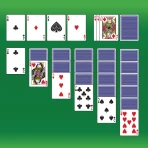
I spent time with Solitaire Y as a simple card game for quiet moments rather than as a feature-heavy gaming platform. That distinction matters. Its appeal is easy to understand: it is free, aimed at everyone, and built around the familiar solitaire format that works when I have only a few minutes and do not want to learn complicated rules. HeartsNet keeps the idea focused, which makes the game approachable, but it also means the right question is not whether it offers endless variety. The better question is whether its particular style of solitaire fits the way you like to play.
As a card game, Solitaire Y sits in a comfortable middle ground. It is more engaging than passively scrolling through a phone, yet much less demanding than a competitive multiplayer title. I can open it for a short break, play at my own pace, and stop without feeling that I have abandoned a team or missed a timed event. That makes it especially suitable for people who want a calm, familiar activity on Android rather than a large game that asks for constant attention.
How I Decide Whether Solitaire Y Is the Right Card Game
My first decision criterion is the kind of concentration a game requires. Solitaire Y works best when I want light mental activity: sorting cards, spotting possible moves, and thinking one or two steps ahead. It does not demand the reflexes of an action game or the social commitment of a multiplayer card table. If your ideal phone game is something you can pick up while waiting for an appointment, this format makes sense. If you need a deep strategy system, a story, or regular competition, the appeal is narrower.
The second criterion is familiarity. Solitaire is one of those formats many people already understand, so the learning curve is gentle. I do not have to memorize a large collection of card effects or study a long tutorial before making useful decisions. That is a real advantage for occasional players and for anyone choosing a game for a family member who prefers recognizable card rules. At the same time, experienced solitaire players may want more control, more variants, or a stronger sense of progression than a straightforward title can provide.
I also look at how well a game fits short sessions. A good casual card game should not punish me for putting the phone down after a few minutes. Solitaire Y is naturally suited to this because a single round can be treated as a small standalone activity. My practical tip is to use it as a deliberate pause: play one game during a commute, after finishing a task, or before bed, rather than opening it automatically whenever I feel bored. The simple structure makes that habit easier than with games built around constant rewards.
Its audience is broad. The content rating is Everyone, and that matches the uncomplicated nature of the experience. I would consider it for a player who wants a relaxed card game without an intimidating presentation. It is also a reasonable starting point for someone returning to solitaire after years away from it. The game is free, so trying it does not require a purchase decision before I know whether its pace suits me.
There is also a practical compatibility point. Solitaire Y supports Android 7.0 and later, so it is not restricted to only the newest phones. That can make it useful on an older spare device or a handset kept for travel. Still, compatibility alone does not guarantee that every player will enjoy it. Someone using a phone mainly for sophisticated games may find the experience intentionally modest rather than technically exciting.
What the everyday experience feels like
My most natural use case is a short waiting period. Imagine arriving early for an appointment with ten minutes to spare. I would rather play a quiet round than begin a video that I cannot finish or a competitive match that might be interrupted. Solitaire Y gives that time a clear shape: I can focus on the layout, make a few decisions, and close the game when my name is called. That kind of interruption-friendly use is one of the strongest reasons to choose a solitaire game at all.
Another useful scenario is winding down without adding more noise to the day. Card play gives my attention something specific to do, but it does not require the emotional intensity of winning against another person. I would not describe every round as automatically relaxing—an awkward layout can still be frustrating—but the basic format supports a calmer rhythm than many mobile genres. The store summary calls it relaxing and fun, and in my experience that description is most accurate when I treat it as a small mental break rather than a challenge to conquer.
Where this particular game wins
The clearest strength is focus. Solitaire Y does not need an elaborate premise to make a few spare minutes usable. Its identity as a classic card game is immediately understandable, and that reduces friction when I return to it after a gap. I can concentrate on the cards instead of learning a new system, managing a collection, or keeping up with a live community.
That simplicity is also valuable for mixed-age households. A game rated Everyone is easier to recommend broadly, especially when the intended player wants a quiet pastime rather than mature themes or intense competition. I would be comfortable suggesting it to a casual player who asks for a familiar card game and does not want a complicated app ecosystem around it.
HeartsNet has also kept the proposition clear. The developer name is easy to identify, the game is presented as Solitaire Y, and the current version is 1.6.6. Those details are useful when checking that I am looking at the intended app rather than an unrelated solitaire title with a similar name. The game was released on August 19, 2025, which places it among newer options while retaining an old-fashioned format.
You may also like

Amazon Kindle: Revolutionizing Digital Reading

Why OLX: Compras Online e Vendas Captivates Shoppers Worldwide

Unpacking the Strategy of Yalla Ludo's Jackaroo Mode

Why eBay's Mobile App Stands Out in Online Shopping

How Fishdom's Puzzle Mechanics Transform Your Aquarium Experience

Block Blast! The Perfect Puzzle for Busy Lives
Its audience has already reached over fifty thousand installs, with a 4.4 average from around two hundred ratings and twenty-one written reviews. I read that as encouraging but not conclusive. It suggests that the game has found a meaningful group of players, while the relatively small review pool means I would still judge it by my own preferred pace rather than treating the average as a guarantee.
A less obvious benefit is that a focused solitaire game can reduce decision fatigue. In larger card apps, I sometimes spend more time choosing a mode, browsing rewards, or comparing options than actually playing. With Solitaire Y, the format itself points me toward the activity. My tip is to decide before opening it whether I want a quick round or a longer session; that prevents the game from becoming an aimless time filler and makes its simple design feel intentional.
Small habits that make the format work better
I get more value from solitaire when I avoid rushing the first available move. Even in a familiar layout, the first legal action is not always the most useful one. I look for moves that uncover a face-down card or create room for future arrangements, then consider whether a less obvious choice preserves more flexibility. This is not an advanced feature claim about the app; it is a way to use the card format more thoughtfully and keep straightforward rounds from feeling automatic.
I also treat an unfinished round as disposable when my attention is needed elsewhere. The point of a casual game is not to turn every interruption into a problem. If I am playing during a short break, I prefer a clean stopping point over forcing myself to continue. That mindset makes Solitaire Y a better companion for everyday gaps than a game that depends on uninterrupted concentration.
For players who find solitaire repetitive, I suggest using it as a rotation game rather than a primary hobby. Pair it with a puzzle game, a reading app, or a walk, and return when you specifically want cards. Its strongest quality is the low barrier to entry, not an endless stream of new content. Expecting it to replace every other form of entertainment would create disappointment that the game itself does not need to cause.
When a Different Card Game May Fit Better
Solitaire Y is not automatically the best choice for every card-game player. If you want direct competition, a multiplayer card title will probably be more satisfying because another person—or a more active opponent system—creates pressure that solitary play cannot reproduce. If you enjoy deck construction, collectible cards, or discovering unusual combinations, a strategy card game offers a deeper ownership and planning loop. Those alternatives may take more time to learn, but that extra complexity is exactly what some players are looking for.
Players who want many solitaire variants should compare this focused experience with a broader solitaire collection. A collection can be the better choice when switching between familiar formats is central to your enjoyment. The trade-off is that a larger app may feel less immediate, with more menus and more choices before a round begins. I would choose Solitaire Y when I value a direct route into a classic game, and a collection when variety matters more than simplicity.
There is a similar distinction between a relaxing card game and a competitive ranked game. Solitaire Y is suitable for private, low-pressure play. It is not the right pick if your motivation comes from leaderboards, opponents, tournaments, or social interaction. I would not install it expecting a community-driven experience. Its value is in the individual rhythm of arranging cards, not in proving that I am better than someone else.
Another possible mismatch concerns players who need strong long-term goals. Some mobile games are built around unlocks, missions, or a persistent account journey. Solitaire Y’s straightforward identity will appeal to people who want the game to stay out of the way, but it may feel too limited to anyone who needs a constant stream of milestones. That is not a flaw for a short-break game; it is simply an important boundary when choosing.
Cost also affects the comparison. Because Solitaire Y is free, the financial barrier is low, and that makes experimentation easy. I can try it without committing money to a specialized card platform. The real cost of switching is more about habit and preference: learning a different ruleset, adjusting to a busier interface, or giving up the immediate familiarity of solitaire. If another game offers the exact depth or social play I want, that learning effort is worthwhile. If I only need a dependable five-minute card break, switching may add complexity without improving my routine.
Questions I would ask before installing
If you are wondering whether it is suitable for a child or a shared family device, the Everyone content rating makes it a broadly accessible option. I would still show a new player the basic card flow once, especially if they have never played solitaire, but the familiar format should make that introduction manageable. The game is better suited to calm individual play than to a group gathered around one screen.
If your phone is older, the Android 7.0 minimum is the key practical checkpoint. A device meeting that requirement can be considered for installation, while newer hardware is the safer choice for general app responsiveness. I would also leave enough ordinary storage and keep the operating system reasonably maintained, not because Solitaire Y is presented as demanding, but because an outdated phone can make any app feel less smooth.
If you are deciding whether the free price is enough reason to choose it, my answer is no—but it is a good reason to test it. Free access removes the biggest initial risk, yet enjoyment depends on whether you like solitary card play and a focused structure. Install it if you want an uncomplicated classic. Skip it if you already know that you need opponents, deck building, or a wide menu of modes.
If you are concerned about whether it can replace a more complete card-game app, I would set expectations carefully. It can replace a basic solitaire option in a daily routine, especially when convenience and familiarity are priorities. It is less likely to replace a full card collection or a social platform for someone who plays for variety and interaction. The best comparison is not “which game is universally better?” but “which kind of session do I want to have?”
My recommendation after using it
I recommend Solitaire Y to casual Android players who want a free, familiar card game for short, quiet sessions. Its strongest case is practical: it gives me something focused to do without asking for a large commitment. The Everyone rating, support for Android 7.0 and later, and clear solitaire identity make it easy to consider for a broad audience. The 4.4 average is a positive sign, although I would still approach it as a simple pastime rather than a major gaming destination.
I would recommend looking elsewhere if your enjoyment depends on variety, competition, or progression systems. A multiplayer card game is better for social energy, a collectible card game is better for long-term strategy, and a solitaire bundle is better for players who want to move between formats. Choosing one of those is not a criticism of Solitaire Y; it is a recognition that a narrow game can be excellent for one purpose and unsuitable for another.
My final view is that Solitaire Y succeeds when I use it on its own terms. It is not trying to turn a classic card pastime into a complicated lifestyle app. Instead, it offers a familiar way to fill a small gap in the day. HeartsNet’s game is worth trying if you want a calm, accessible round of solitaire and prefer a direct experience over a crowded catalogue of features. The best reason to install it is not endless content, but dependable simplicity when you want a few minutes of focused play.
Pros
- Simple rules make it easy for beginners to start playing.
- Short rounds are convenient for quick breaks or casual sessions.
- Offline play is useful when you have limited or no internet access.
- Multiple layouts provide variety beyond a single solitaire format.
- Relaxing gameplay suits players looking for a low-pressure experience.
Cons
- Frequent ads may interrupt games
- especially between rounds.
- Limited strategic depth can feel repetitive for experienced players.
- Some features may require in-app purchases or premium access.
- Small screens can make cards and controls harder to read.
- Progression and rewards may feel minimal compared with larger card games.
FAQ
What is Solitaire Y, and how is the game played?
Solitaire Y is a digital solitaire card game designed for players who enjoy classic, relaxing single-player gameplay. It generally follows familiar solitaire rules, where the objective is to arrange cards in the correct order and suit. The app is suitable for short sessions or longer play, making it a convenient choice for casual users who want an accessible card game on a mobile device.
Is Solitaire Y free to download and play?
Solitaire Y can typically be downloaded without an upfront purchase, allowing users to try the main gameplay at no cost. However, availability of advertisements, optional purchases, premium features, or extra game content may depend on the version and platform. Before downloading, users should review the store listing carefully to check for in-app purchases and any conditions connected with optional upgrades.
Does Solitaire Y require an internet connection?
Solitaire Y may be playable offline for its core solitaire experience, which is useful when traveling or when mobile data is unavailable. Nevertheless, some elements, such as advertisements, online statistics, cloud synchronization, updates, or special events, may require an internet connection. It is recommended to launch the game once while connected and check which features remain available without Wi-Fi or mobile data.
Is Solitaire Y suitable for beginners and experienced solitaire players?
The game can be suitable for both beginners and experienced players because solitaire is easy to understand but can still require planning and careful decision-making. New players can learn the basic card movements through practice, while experienced users may appreciate faster rounds and the challenge of improving their results. The overall experience depends on the available modes, difficulty settings, and customization options.
What should I check before installing Solitaire Y on my device?
Before installing Solitaire Y, check that your Android or iOS device meets the minimum operating-system requirements and has enough free storage. It is also wise to review the app’s permissions, advertising policy, privacy information, ratings, and recent user feedback. If you care about progress synchronization, confirm whether the game supports account login or cloud saving before changing devices or reinstalling it.