Google Home
Google LLC Lifestyle

- 171.22K Reviews
- 4.1
- Version
- Varies with device
- Installs
- 1.00B
Screenshots
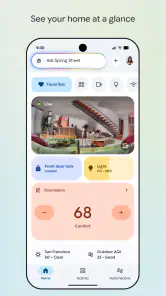
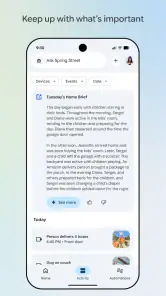
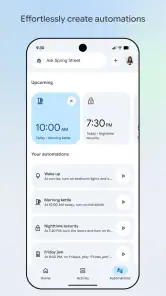

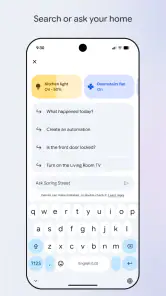
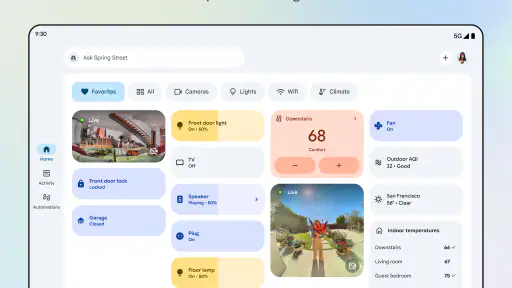
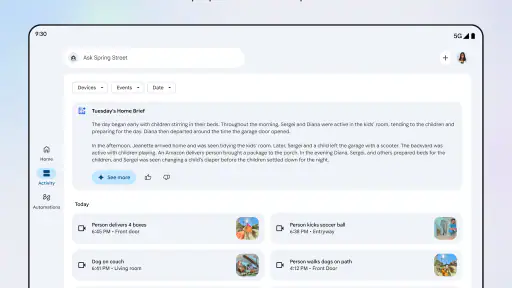
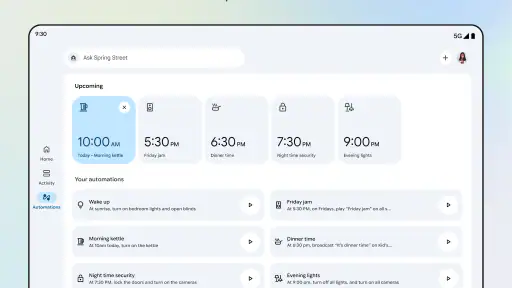
- Key strengths of the app—features, ease of use, or overall experience.
- Intuitive user interface.
- Seamless integration with smart devices.
- Voice command support.
- Customizable routines.
- Multi-user support.
- Possible downsides—like bugs, missing features, or performance issues.
- Limited offline functionality.
- Privacy concerns with data collection.
- Occasional connectivity issues.
- Some features require paid subscriptions.
- Compatibility issues with non-Google devices.
Have you ever dreamt of living in a smart home where everything is just a voice command away? Well, Google Home might just be your ticket to that futuristic lifestyle. I recently had the chance to dive into this app, and boy, do I have some thoughts to share!
Getting Started with Google Home
First things first, setting up Google Home is a breeze. The app is available for both Android and iOS, so no one’s left out in the cold. Once you download and open it, you’re greeted with a clean, user-friendly interface. It’s almost like Google knew I was going to be poking around and made it straightforward just for me!
Related Articles
Connecting your devices is as easy as pie. The app guides you through the process step-by-step, and before you know it, your phone is talking to your speakers, lights, and even your thermostat! It’s like having a personal butler—only digital and without the tuxedo.
Features That Stand Out
Let’s talk features, shall we? Google Home isn’t just about turning lights on and off. It’s packed with functionalities that can make your daily routine smoother than ever. For instance, you can set routines that trigger multiple actions with a single command. Imagine saying, “Hey Google, good night,” and having your lights dimmed, doors locked, and your favorite podcast playing in the background.
Another cool feature is the ability to broadcast messages across your home. Need to call the kids for dinner? Just say the word, and your voice echoes through all connected devices. It’s like having an intercom system without all the pesky wires.
The Everyday Experience
Living with Google Home is a bit like having an invisible helping hand. Whether it’s setting reminders, playing music, or even answering trivia questions, it’s always ready to assist. I’ve found myself relying on it more than I expected, especially when my hands are tied up with other tasks.
And let’s not forget the entertainment factor! Google Home integrates seamlessly with platforms like Spotify and YouTube. You can play your favorite tunes or catch up on the latest videos just by asking. It’s like having a DJ and a TV host all rolled into one device.
Final Thoughts
So, is Google Home worth it? In my humble opinion, absolutely! It’s not without its quirks, but what tech isn’t? The convenience it brings to the table is hard to beat. Whether you’re tech-savvy or just dipping your toes into the smart home waters, Google Home offers something for everyone.
Sure, there’s a bit of a learning curve, but once you get the hang of it, you might just wonder how you ever lived without it. So go ahead, give it a whirl, and step into the future with Google Home!