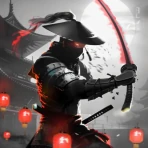
Black Swordsman:Dual Blades
For Android
Black Swordsman:Dual Blades is a free role-playing game from FunGameHub that immediately aims for a dramatic fantasy mood: blades, danger, and a world that needs protecting. I spent time with it as the kind of game you open when you want a compact adventure rather than a long, complicated strategy project. Its strongest quality is how quickly it communicates its purpose. You are here to build momentum, face darkness, and keep improving your swordsman.
That first impression is helped by the game’s clear identity. It is not trying to look like a quiet puzzle game or a realistic simulation. The name, presentation, and store summary all point toward action-focused fantasy role-playing, with the dual-blade theme at the center. I found that useful because I knew what sort of experience I was choosing before committing much time. The important question, though, is whether that appeal survives after the early novelty fades.
From the first session to a lasting routine
Why the opening hours are easy to enjoy
The first-week appeal comes from a familiar but effective loop: enter the fantasy world, take control of a powerful-looking fighter, overcome threats, and look for the next improvement. That structure is approachable even if you are not deeply familiar with role-playing games. I never felt that I needed to understand a large collection of systems before enjoying the basic fantasy of drawing a blade and pushing back the darkness.
That accessibility makes it a sensible choice for short sessions. I can imagine opening it during a commute, while waiting for an appointment, or at home when I want a game that gives me a clear direction without demanding a large uninterrupted block of time. It has the right kind of immediate fantasy energy for those moments: you can get into the mindset quickly instead of spending the opening session learning a complicated interface.
The dual-blade identity also gives the game a more specific personality than a generic fantasy RPG. Even when the broader structure feels familiar, the swordsman theme keeps the experience focused. I prefer that kind of focus to a game that tries to include every possible fantasy role and ends up feeling anonymous. Here, the central image is easy to remember, and that matters when deciding which game to return to later.
Still, first impressions can be generous. Early progress in an RPG often feels rewarding because every action seems to move the character forward. The real test is what happens once the obvious discoveries have been made. A new player should enjoy the opening stretch, but should also avoid assuming that the same level of excitement will automatically continue without a personal routine.
What I would do during an ordinary week
My preferred way to use this game is in deliberate, contained visits rather than leaving it open for hours. I would play a few sessions when I have the energy for combat and progression, then stop before the familiar actions become background noise. That approach protects the strongest part of the experience: the feeling that each return is a small fantasy adventure rather than another obligation on a long list of daily tasks.
A realistic scenario would be a player who has twenty minutes after dinner. Instead of starting a large console RPG and worrying about remembering a complicated story, they can use that time to return to their swordsman, complete a focused stretch of play, and leave. This is where the game has practical value. It can fit around a busy day more easily than a demanding role-playing title that expects long sessions and constant attention.
I would also recommend deciding in advance what you want from each session. One visit might be about making progress, while another could simply be about trying a different approach to a difficult encounter. That small habit prevents aimless tapping and makes the game feel more intentional. The dual-blade theme works best when I am actively thinking about the fighter’s next step, not merely repeating actions while distracted.
For a younger player, the Everyone 10+ content rating is a useful boundary when choosing a game for a shared device. For an adult, it signals that the tone is accessible rather than built around extreme material. I would still make the decision based on the individual player’s comfort with fantasy combat, but the rating makes the audience easier to understand.
The role-playing appeal without unnecessary clutter
What I appreciate most is the sense of direction. Many role-playing games overwhelm new players with menus, currencies, character types, and competing objectives. Black Swordsman:Dual Blades presents a narrower fantasy promise, which can make it easier to settle into. If your ideal RPG is one where the hero’s identity is immediately readable, this focused approach is more appealing than a sprawling game that takes hours to explain itself.
The trade-off is that players who want deep experimentation may eventually find the focus restrictive. A swordsman-centered game has a strong theme, but that same commitment can reduce the feeling of building a completely original character. I would choose it for the pleasure of inhabiting a recognizable blade-wielding hero, not for the freedom of designing an elaborate party with many radically different roles.
You may also like

Amazon Kindle: Revolutionizing Digital Reading

Why OLX: Compras Online e Vendas Captivates Shoppers Worldwide

Unpacking the Strategy of Yalla Ludo's Jackaroo Mode

Why eBay's Mobile App Stands Out in Online Shopping

How Fishdom's Puzzle Mechanics Transform Your Aquarium Experience

Block Blast! The Perfect Puzzle for Busy Lives
How the current version fits the experience
The game is currently presented as version 4.8 and supports Android eight point zero or later. That makes checking device compatibility an important first step, especially if you are using an older phone or tablet. On a compatible device, I would still keep expectations practical: a role-playing game is more enjoyable when the screen is comfortable, the controls respond consistently, and the device has enough battery for the kind of session you actually plan to play.
Its public reception is encouraging. The game holds a 4.8 average from around two thousand ratings and has passed ten thousand installs. Those figures suggest that the initial concept connects with a meaningful group of players, although they do not guarantee that the long-term loop will suit everyone. I treat that reception as a reason to try it, not as a substitute for deciding whether its particular style matches my habits.
Where the monthly value comes from
After the first month, novelty is no longer enough. A game earns a permanent place on my phone only when returning to it feels worthwhile even after I understand its basic rhythm. For this title, the recurring value depends on whether I enjoy gradual character progress and the satisfaction of handling another challenge with a stronger, more prepared swordsman.
That is a narrower kind of lasting appeal than a role-playing game built around a huge world or a constantly changing social experience. I would not install this expecting endless variety in the same way I might approach a large multiplayer game. I would install it because I like the repeated comfort of a clear fantasy routine: return, fight, improve, and see how far the next session takes me.
The best long-term players will probably be those who enjoy small gains. If you need every session to introduce a major surprise, the routine may lose its shine quickly. If you like checking in on a character and gradually making progress, the focused structure can be relaxing. That distinction is important because neither preference is wrong; they simply lead to different choices within the role-playing category.
I also find that recurring value improves when the game has a place in a specific part of the day. A short evening session can become a pleasant transition between work and rest. A weekend session can be longer when I want to concentrate. The game does not need to dominate my schedule to be worthwhile. In fact, I think it is healthier as a small, repeatable hobby than as something I feel pressured to play constantly.
What can make the routine feel tiring
The main source of fatigue is repetition. Role-playing progression naturally asks the player to perform related actions many times, and the same strength can become a weakness when improvement starts to feel automatic. If I am only returning because I feel I should, rather than because I am curious about the next challenge, the game has already lost some of its value.
Another possible friction point is the gap between the dramatic theme and the everyday reality of repeated progression. “Guarding the realms” sounds grand, but the player experience still depends on ordinary decisions, repeated encounters, and incremental advancement. I enjoy that contrast when I am in the mood for a routine. I find it less satisfying when I want a story-heavy adventure where every session feels like a major chapter.
Players should also think carefully about the purchase model. The game is free to download, with in-app items priced from ninety-nine cents to ninety-nine dollars and ninety-nine cents each. That range does not automatically make the game unfair, but it does mean I would approach the store carefully. I prefer to decide on a personal spending limit before becoming invested, especially in a progression-based game where convenience can become tempting.
My practical advice is simple: play the free experience first and observe your own behavior. If you are enjoying the combat and progression without feeling pushed toward purchases, that is a good sign. If you find yourself opening the store more often than engaging with the game, step back. A game should remain entertainment, not a source of pressure to spend in order to preserve momentum.
The maintenance burden of keeping it installed
Every mobile game has a maintenance cost that is easy to overlook. It may take only a few minutes to open, but it still competes with other apps, other games, and the player’s attention. For me, the right question is not whether I can technically fit it on a device. It is whether I will remember why I installed it after the first burst of enthusiasm has passed.
Black Swordsman:Dual Blades has a manageable maintenance burden when treated as a focused side game. I would keep it installed if I wanted a straightforward fantasy RPG available for short sessions. I would remove it if I were already maintaining several progression games that ask for the same kind of daily attention. Having too many similar games turns a hobby into a checklist, and this title is not worth that burden simply because it is free.
A useful workflow is to give it a trial period based on enjoyment rather than obligation. During that time, notice whether you look forward to the next session, whether the swordsman theme still feels appealing, and whether progress feels satisfying without spending. Those are better indicators of long-term fit than the excitement of the first launch.
I would also avoid treating every available improvement as mandatory. The most sustainable way to play is to choose a personal goal, such as reaching a particular point of progress or becoming more comfortable with the game’s combat rhythm, and then stop when that goal is met. This keeps the game from expanding into an endless task and makes returning later feel optional rather than compulsory.
Who should choose it, and who should skip it
I would recommend it to players who want an approachable fantasy role-playing game with a strong swordsman identity. It suits someone who enjoys gradual progress, short mobile sessions, and the feeling of returning to a familiar hero. It is also a reasonable starting point for a player who finds large RPGs intimidating but still wants a blade-and-darkness adventure.
I would be more cautious recommending it to someone seeking a deep tactical system, a large cast of distinct roles, or a long cinematic narrative. Those players may be happier with a more expansive alternative in the category, particularly one that emphasizes party management, exploration, or complex build planning. This game’s appeal comes from focus and accessibility, not from trying to cover every possible role-playing preference.
It may also be a poor fit for anyone who dislikes progression loops or in-app purchase systems. Even when the free entry is attractive, the presence of optional items can change how a player experiences advancement. If you know that purchase prompts make you uncomfortable or that repeated improvement systems quickly feel like work, there are calmer alternatives outside this style of mobile RPG.
My long-term verdict
After the novelty fades, the game’s future on my device depends on moderation. I do not see it as a title that must replace every other RPG. I see it as a compact fantasy option that can earn regular space when I want a direct swordsman experience without the weight of a much larger game.
Its lasting strength is the clarity of its identity. FunGameHub has built the experience around a simple promise that is easy to understand and easy to revisit. The free entry lowers the barrier to trying it, while the accessible age rating broadens its audience. The high average rating and growing install base add confidence that the concept has found an audience, but my recommendation still comes with the reminder that repetition and spending choices matter over time.
My honest recommendation is to try it as a focused side RPG, not as a commitment. Give the opening sessions enough attention to discover whether the dual-blade fantasy genuinely appeals to you. Then judge it by your behavior in the following weeks: do you return because you want to, or because the progression loop is asking for another check-in?
For me, it earns lasting space when I use it deliberately, keep spending optional, and accept that its appeal is concentrated rather than limitless. If that sounds like the kind of game you want, Black Swordsman:Dual Blades is an easy free download to consider. If you need constant novelty, elaborate character freedom, or a story that carries every session, I would look elsewhere. The game succeeds most when it is allowed to be what it is: a focused, accessible fantasy role-playing experience built around the pleasure of taking up the blades again.
Pros
- Fast-paced dual-blade combat feels responsive and satisfying.
- Anime-inspired visuals give battles a distinctive style.
- Character upgrades provide clear long-term progression.
- Short missions make it easy to play during quick breaks.
- A variety of enemies keeps early combat from feeling repetitive.
Cons
- Combat may become repetitive after extended play sessions.
- Progression can feel slow without frequent upgrades.
- Some menus and systems take time to understand.
- Difficulty spikes may frustrate players without optimized gear.
- The game may require substantial storage and battery power.
FAQ
What is Black Swordsman: Dual Blades about?
Black Swordsman: Dual Blades is an action-focused mobile game built around fast sword combat, character progression, and dramatic fantasy battles. Players take control of a powerful swordsman, fight enemies through different stages, improve equipment and abilities, and face increasingly difficult opponents. The game is aimed at users who enjoy anime-inspired visuals, hack-and-slash gameplay, and short combat sessions designed for mobile devices.
Is Black Swordsman: Dual Blades free to download and play?
The game can generally be downloaded and started without an upfront purchase, but it may include optional in-app purchases. These purchases can provide items, resources, upgrades, or other advantages that help with progression. Free players can still experience the main gameplay, although advancement may require more time and repeated battles. It is also worth checking the store listing for the latest pricing and availability details.
Does the game require an internet connection?
An internet connection may be required for important features such as account access, event participation, cloud-based progress, advertisements, rewards, and communication with the game servers. Some portions of the game may work during brief periods offline, but this should not be assumed for the complete experience. A stable connection is recommended, especially when claiming rewards, updating content, or synchronizing your progress.
What kind of gameplay and progression does it offer?
Black Swordsman: Dual Blades focuses on real-time combat in which players attack enemies, avoid danger, use special skills, and manage their character during battles. Progression usually involves upgrading weapons, abilities, equipment, and other character attributes. As you advance, enemies become stronger and challenges demand better timing and more effective builds, giving the game a mixture of action gameplay and role-playing progression.
Can Black Swordsman: Dual Blades run smoothly on every Android or iOS device?
Performance depends on your device’s processor, available memory, operating-system version, storage space, and graphics settings. Newer phones and tablets should provide a smoother experience, while older or entry-level devices may encounter longer loading times, reduced frame rates, or occasional overheating during extended sessions. Before downloading, review the official store requirements and make sure you have enough free storage for the initial installation and future updates.