Solitaire Oasis
For Android
Solitaire Oasis is the kind of card game I can open without preparing for a long session. Its appeal is immediate: it takes the familiar patience format and places it inside a lighter, more relaxed presentation, while still asking me to make sensible decisions instead of simply tapping through a fixed sequence. After spending time with it, I see the game as a comfortable choice for short breaks, quiet evenings, and anyone who wants a casual multiplayer challenge without the weight of a large strategy game.
What makes the experience work is the balance between a recognizable card-game foundation and a softer sense of place. FatMan Studio has kept the focus on cards, but the presentation gives each round a more leisurely identity than a plain digital deck. I would not choose it when I want an intense competitive ladder or a deep campaign. I would choose it when I want something approachable that can occupy a few minutes and still reward attention.
A calm first impression with more decision-making than it suggests
My first impression was that Solitaire Oasis is deliberately easy to understand. The store summary calls it a casual skill-based multiplayer challenge, and that description fits the way the game presents itself: it does not ask me to learn a complicated rule set before I can enjoy a round. The solitaire format is familiar enough that most players can begin by looking for available moves, uncovering useful cards, and planning around the limited space on the board.
That simplicity is not the same as mindlessness. A careless move can leave fewer useful options later, so I found myself slowing down even during short sessions. The best approach is not to tap every legal move immediately. I get better results by checking which move opens a hidden card, which move preserves a flexible column, and whether I am spending a useful card merely because it is available. That small habit turns the game from a decorative time filler into a modest skill exercise.
The game is free to start, which makes trying it straightforward. It is rated for Everyone, and I think that matches its accessible card-game structure and gentle presentation. The current release is version 2.0.2, and the game runs on Android 7.0 or later. Those details matter for people using an older phone: the compatibility range is broad enough to make the game relevant beyond only recent devices, although the feel of any card game will still depend on screen size and performance.
The audience response also gives the game a useful sense of momentum. It has an average rating of 4.5 from around 5.8 thousand ratings, with more than 100 thousand installs and roughly 426 written reviews. I do not treat those figures as proof that every player will enjoy it, but they suggest that the basic combination of solitaire familiarity and casual competition is connecting with a substantial audience.
Who will settle into it quickly
I would recommend Solitaire Oasis to someone who likes classic solitaire but wants a more social or challenge-oriented setting. It is also a good fit for players who prefer games that can be understood in one sitting rather than games that require a tutorial, a collection system, or a large commitment before the interesting part begins.
A realistic use case is a short wait at a café or a few minutes before bed. I can play with sound at a low level, make a handful of careful moves, and stop without feeling that I have abandoned a complicated storyline. The same quality works during a commute when I have a stable moment to focus, although I would avoid starting a round if I know I may need to put the phone away immediately. A solitaire board rewards attention, and an interrupted decision can be more frustrating than simply waiting.
Players who want a dramatic card battler, a highly competitive ranking system, or a rich deck-building layer should be cautious. Solitaire Oasis is not trying to replace those experiences. Its strength is restraint, and that same restraint can feel like a limitation if you need constant progression, a large variety of modes, or a strong narrative reason to return.
How the oasis setting shapes the way the game feels
The setting is important because a basic card layout can otherwise feel anonymous. Here, the oasis idea gives the game a warmer identity. I read the presentation as an invitation to slow down: the cards remain the practical focus, while the surrounding mood makes the session feel less like sorting a spreadsheet and more like taking a small break in a pleasant place.
That art direction supports the rules rather than competing with them. A card game needs clear ranks, suits, and available moves, so visual charm is useful only when it leaves the board readable. In my experience, the oasis framing works best when it stays in the background. I can notice the setting between decisions, but I do not need to study it to understand what the game wants me to do next.
This is one of the game’s more successful trade-offs. A completely plain solitaire interface may be efficient but forgettable. An overly decorative one can make cards harder to read, especially on a smaller phone. Solitaire Oasis aims for a middle ground: it uses atmosphere to give the familiar format a personality while keeping the playable information in front of me.
You may also like

Amazon Kindle: Revolutionizing Digital Reading

Why OLX: Compras Online e Vendas Captivates Shoppers Worldwide

Unpacking the Strategy of Yalla Ludo's Jackaroo Mode

Why eBay's Mobile App Stands Out in Online Shopping

How Fishdom's Puzzle Mechanics Transform Your Aquarium Experience

Block Blast! The Perfect Puzzle for Busy Lives
The word “oasis” also influences the pace I expect from the game. I do not approach a round as a frantic reaction test. I approach it as a sequence of small choices, with enough breathing room to inspect the board. That does not remove pressure entirely, especially when a multiplayer challenge encourages me to think efficiently, but it changes the emotional tone. The game feels more inviting than aggressive.
Why the visual mood matters during play
For me, the most useful visual quality is not decoration by itself; it is the way the presentation helps separate a quick session from the rest of my phone. When I open the game, I am not entering a dense menu full of unrelated systems. I am entering a focused card space with a clear theme. That makes it easier to play for a few minutes without feeling pulled into a much larger obligation.
There is also a practical lesson here for new players: take a moment to read the board before chasing speed. The relaxed setting can encourage casual tapping, but the underlying challenge still rewards planning. I like to identify the moves that reveal more information first, then consider moves that preserve alternatives. This is especially useful when the board offers several legal actions and only one of them keeps the later turns comfortable.
The art direction will not satisfy everyone. Players who prefer the stark efficiency of traditional solitaire may find the oasis treatment unnecessary. I understand that reaction. If my only goal were to complete as many boards as possible with minimal visual framing, a simpler alternative might suit me better. Solitaire Oasis earns its place by making the familiar format feel like a destination, not by reinventing every card rule.
Sound, silence, and the rhythm of a short session
Sound has a quiet role in this type of game. I do not expect a large musical score from a casual solitaire experience, and I think that is appropriate. The important question is whether the audio supports the oasis mood without turning every move into an interruption. When I want the game to function as a calming break, restrained sound is more useful than constant dramatic feedback.
I often treat Solitaire Oasis as a game that can work either with audio or in near silence. That flexibility matters in everyday situations. At home, sound can help make the session feel more complete. In a waiting room or shared space, I would keep the volume low or play silently so that the atmosphere remains personal rather than becoming background noise for everyone nearby.
The rhythm comes mainly from the relationship between thinking and action. I scan the board, make a move, wait for the new information to settle, and then reassess. In a traditional solo solitaire app, that rhythm can become repetitive. The multiplayer challenge gives it a little more purpose because efficiency matters: I am not only asking whether a move is legal, but whether it is a good use of time and board space.
That pacing is a good match for the game’s visual identity. A fast, noisy presentation would work against the oasis concept. The calmer rhythm lets the setting do its job, while the skill element prevents the experience from becoming completely passive. I can relax without switching off my judgment.
The best way to use the rhythm to your advantage
My practical advice is to separate observation from execution. First, inspect the whole available layout. Next, look for moves that expose new cards or create more open choices. Only after that should I worry about moving quickly. This approach is particularly valuable for players who are used to tapping the first obvious option in solitaire. Speed is helpful, but speed without a plan can close off the board.
I also find that the game suits a personal session limit. Because it is easy to start another round, I can lose track of time if I keep treating each board as “just one more.” Setting a natural stopping point after a short break keeps the game relaxing rather than turning it into a repetitive obligation. The calm presentation makes this easy to overlook, so a little self-awareness helps.
Players looking for a more forceful audio-visual experience may prefer a competitive card game with louder feedback and more visible rewards. That is not a flaw in Solitaire Oasis; it is a matter of intent. This game’s rhythm is built around calm concentration, not spectacle.
Where the familiar solitaire rules meet multiplayer pressure
The strongest mechanical idea is the contrast between a recognizable solitaire structure and a multiplayer challenge. Solitaire usually feels private: I play against the layout, my own patience, and the possibility of running out of useful moves. Adding a competitive context changes how I value each decision. A move that is perfectly acceptable in a relaxed solo round may feel inefficient when another player or a shared challenge gives me a reason to improve my pace.
That combination makes the game approachable without making it empty. New players can rely on what they already know about arranging cards, while experienced solitaire players can focus on efficiency and decision quality. The game does not need a complicated rules explanation to create tension. The pressure comes from making the familiar process cleaner and smarter.
One of the less obvious strengths is that the multiplayer angle gives me a reason to review my habits. If I lose a round of ordinary solitaire, I can blame an unlucky layout and move on. In a challenge-oriented setting, I start asking better questions: Did I reveal the wrong card too early? Did I use an open space without considering the next sequence? Did I prioritize a quick move over a move that created more information? Those questions are where the skill element becomes meaningful.
At the same time, I would not describe the mechanics as a replacement for a deep strategy game. The decisions are local and readable. I am optimizing a card layout, not building a long-term deck, managing resources across a campaign, or adapting to a large set of opponents. That limited scope is exactly why it works well for casual play, but it also defines the ceiling for players who need more complexity.
Small habits that improve the experience
My first useful habit is to value information. When several moves are possible, I prefer the one that reveals something new, provided it does not destroy a better arrangement. Seeing more of the board usually gives me stronger options than immediately completing a convenient sequence.
My second habit is to protect flexibility. An empty or open position can be more valuable than a quick-looking placement because it may accept several future cards. I try not to fill useful space simply because I can. This is the sort of detail that separates casual tapping from deliberate play, and it matters more when the challenge rewards efficient decisions.
My third habit is to treat speed as a finishing tool rather than the starting goal. Once the board is clear and the next actions are obvious, I can move quickly. At the beginning, I prefer accuracy. This reduces the chance of creating a difficult position just to save a few seconds.
These habits also explain who should skip the game. If I want a card game where every action is dramatic, where a powerful collection changes the outcome, or where long-term planning dominates the entire experience, Solitaire Oasis may feel too modest. If I want a clean, themed way to practice observation and decision-making in short bursts, its limited scope becomes a benefit.
Free access and the purchase decision
The game is free, with in-app purchases ranging from $2.99 to $99.99 per item. That wide span is worth noticing before I commit to any purchase. I can start without paying, which is useful for testing whether the pacing and solitaire format suit me. I would personally spend only after deciding that I genuinely value the extra convenience or content associated with a purchase, rather than treating payment as a requirement for basic enjoyment.
This is also where I would compare it with a traditional free solitaire app. A plain alternative may be better if I want the simplest possible board and no themed atmosphere. Solitaire Oasis is more appealing when the setting and multiplayer challenge are part of the reason I am playing. The trade-off is that the extra presentation and purchase options can make the experience feel less minimal than a basic card utility.
Compared with a competitive collectible card game, the difference is even clearer. Those games usually offer broader strategic variety but demand more learning, more time, and often more attention to progression systems. Solitaire Oasis is easier to enter and easier to leave. I can enjoy its challenge without first understanding a large card pool, but I should not expect the same depth or long-term variety.
My atmosphere verdict after living with the game
Solitaire Oasis succeeds because its parts point in the same direction. The oasis setting softens the familiar card format, the sound and visual mood support a calmer pace, and the multiplayer challenge keeps the mechanics from becoming completely automatic. I never felt that the theme was trying to hide a weak card game; instead, it gives the basic decisions a more memorable place to happen.
FatMan Studio has made a game that understands the value of a focused session. It does not need a dramatic story or a complicated progression structure to justify opening it. The appeal is in the small loop: inspect the layout, choose carefully, reveal more possibilities, and try to become more efficient the next time. That loop is enough for a break, especially when I want something more engaging than passive scrolling but less demanding than a full competitive game.
My main reservation is variety. The same qualities that make the game approachable can eventually make it feel narrow for players who need constant novelty. The purchase range may also make some people more cautious, particularly those who prefer completely straightforward free games. I would recommend trying the free experience first and deciding based on how often the challenge earns a place in your routine.
For me, Solitaire Oasis is best understood as a mood-driven card game with real, if modest, skill demands. It is not the right choice for a deep strategist or someone seeking an elaborate multiplayer battler. It is a strong choice for anyone who wants a familiar solitaire foundation, a pleasant setting, and enough competitive pressure to make each move feel considered.
If you enjoy playing cards while waiting, relaxing, or taking a short mental reset, I think this game is worth your time. The most important thing is to play it on its own terms: notice the atmosphere, keep the board readable, and do not confuse a peaceful presentation with a game that requires no thought. That balance is the reason I would recommend Solitaire Oasis to a friend who wants casual play with a little more purpose than ordinary solitaire.
Pros
- Relaxing solitaire gameplay suited to short or longer sessions.
- Simple controls make it accessible for beginners.
- Bright oasis-themed visuals create a pleasant atmosphere.
- Offline play is convenient when an internet connection is unavailable.
- Daily challenges and goals can add variety to regular games.
Cons
- Progression may feel repetitive for experienced solitaire players.
- Some content or rewards may require watching advertisements.
- Limited strategic depth compared with more complex card games.
- Small screens can make card selection uncomfortable for some users.
- Battery use may increase during extended play sessions.
FAQ
What is Solitaire Oasis, and how is the game played?
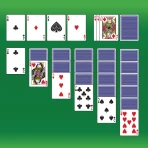
Solitaire Oasis is a relaxing mobile card game based on classic Klondike Solitaire. You arrange cards in descending order while alternating colors, build each suit from Ace to King, and clear the tableau to complete a round. The game adds an island-inspired visual theme, gentle presentation, and progression elements that make traditional solitaire feel more casual and inviting.
Can Solitaire Oasis be played without an internet connection?
Solitaire Oasis may allow players to enjoy basic solitaire rounds offline, which is useful when traveling or when a stable connection is unavailable. However, some features may depend on internet access, including advertisements, cloud-related services, events, updates, rewards, or purchases. Availability can vary by version and device, so checking the game’s current store description is recommended.
Is Solitaire Oasis free to download and play?
Solitaire Oasis is generally available as a free download, allowing users to start playing without paying an upfront purchase price. Like many free-to-play card games, it may include advertising, optional in-app purchases, or paid items connected with boosts, customization, or removing advertisements. Review the store listing and purchase settings before downloading, especially if children use the device.
Does Solitaire Oasis include hints, undo options, or difficulty settings?
The game is designed to be approachable for both casual players and solitaire fans, and it may provide helpful tools such as hints, undo moves, or options that assist with difficult layouts. These features can make learning easier, although their availability or limits may depend on the selected mode, progression, or in-game resources. Players should explore the settings and gameplay menus.
What devices are compatible with Solitaire Oasis?
Solitaire Oasis is intended for mobile devices running a supported version of Android or iOS, depending on the edition available in your region. Compatibility can change as the game receives updates, and older phones or tablets may experience performance limitations. Before installing, check the official Google Play or App Store page for operating-system requirements, download size, and recent user feedback.